
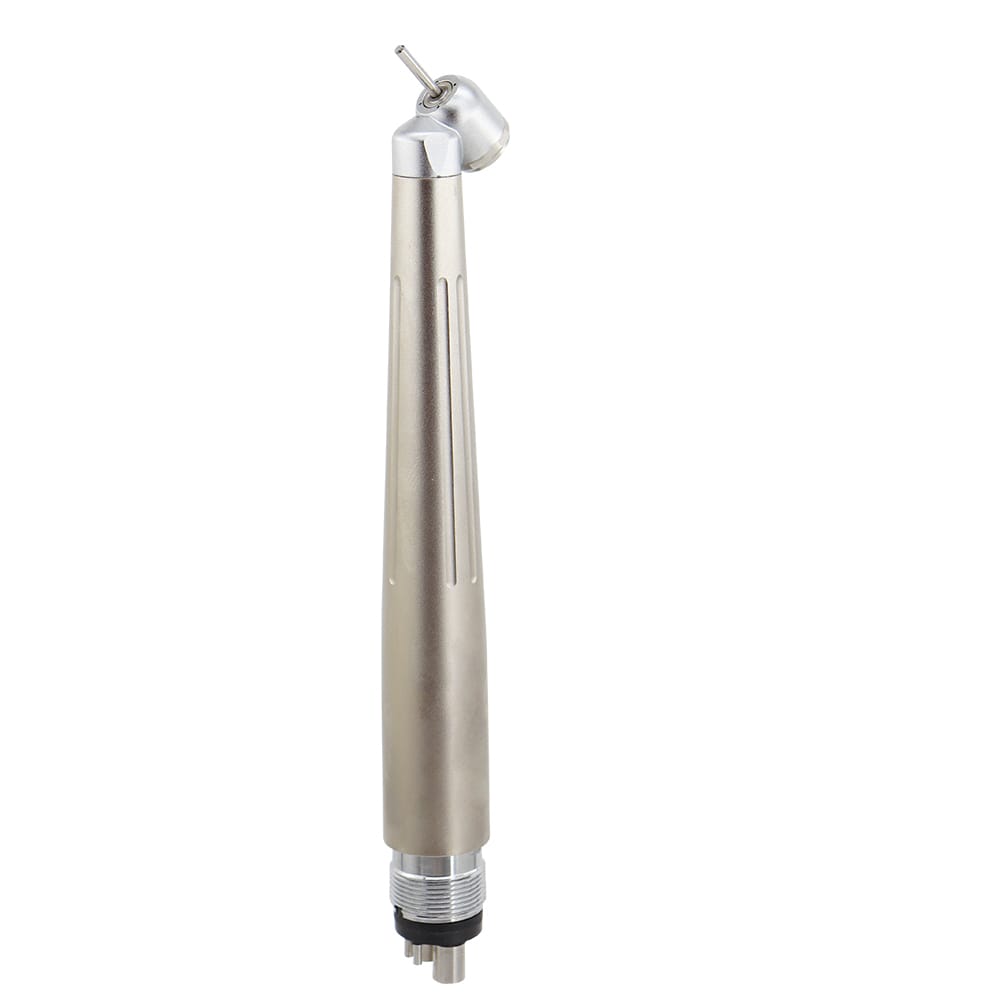
45° Mini Titanium-Coated High-Speed Handpiece
描述
45° Mini Titanium-Coated High-Speed Handpiece
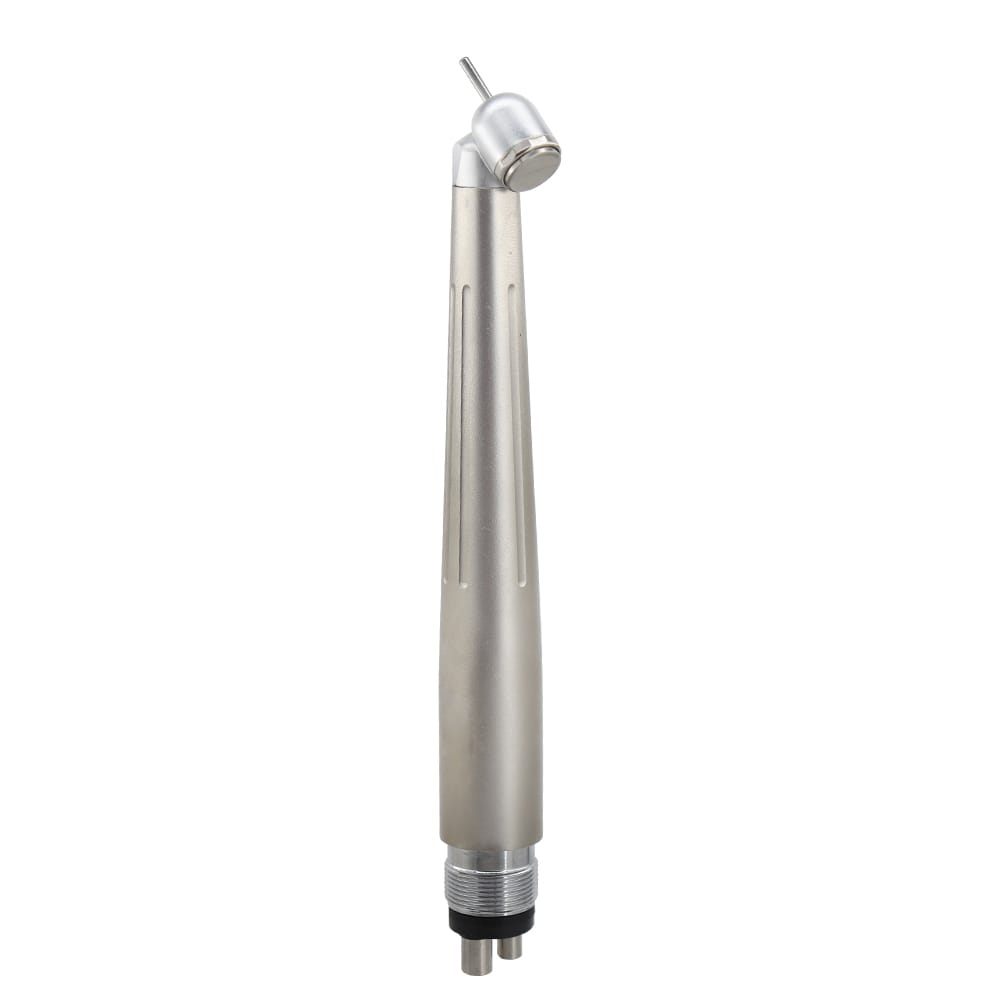
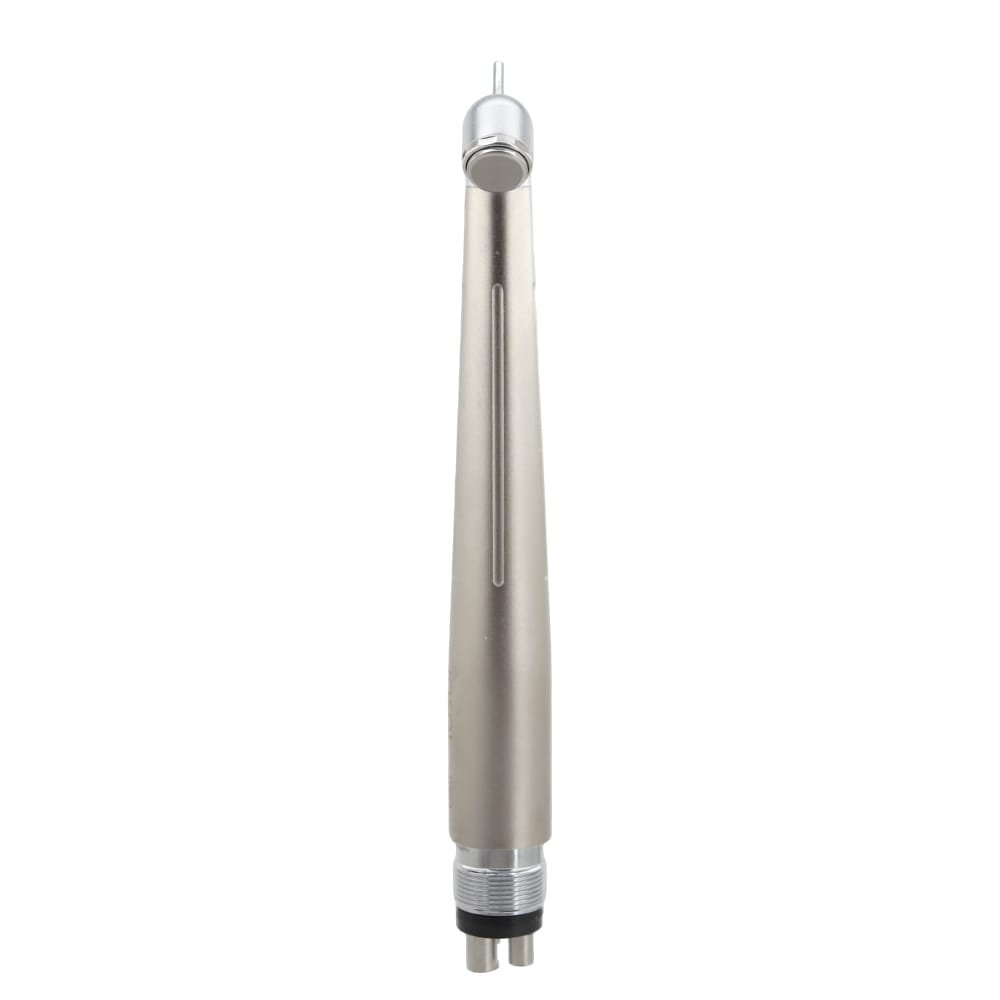
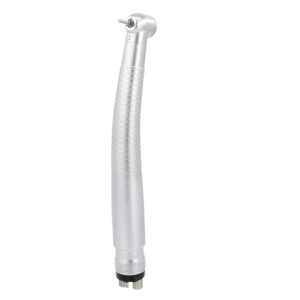
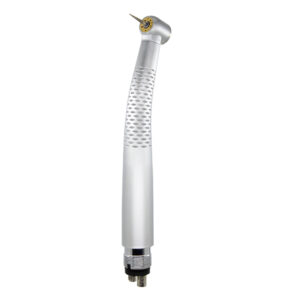
- Double arc-line grip pattern for secure ergonomic control
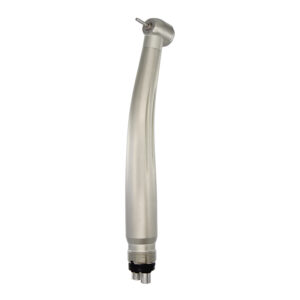
- Titanium-coated body for superior corrosion resistance and premium finish
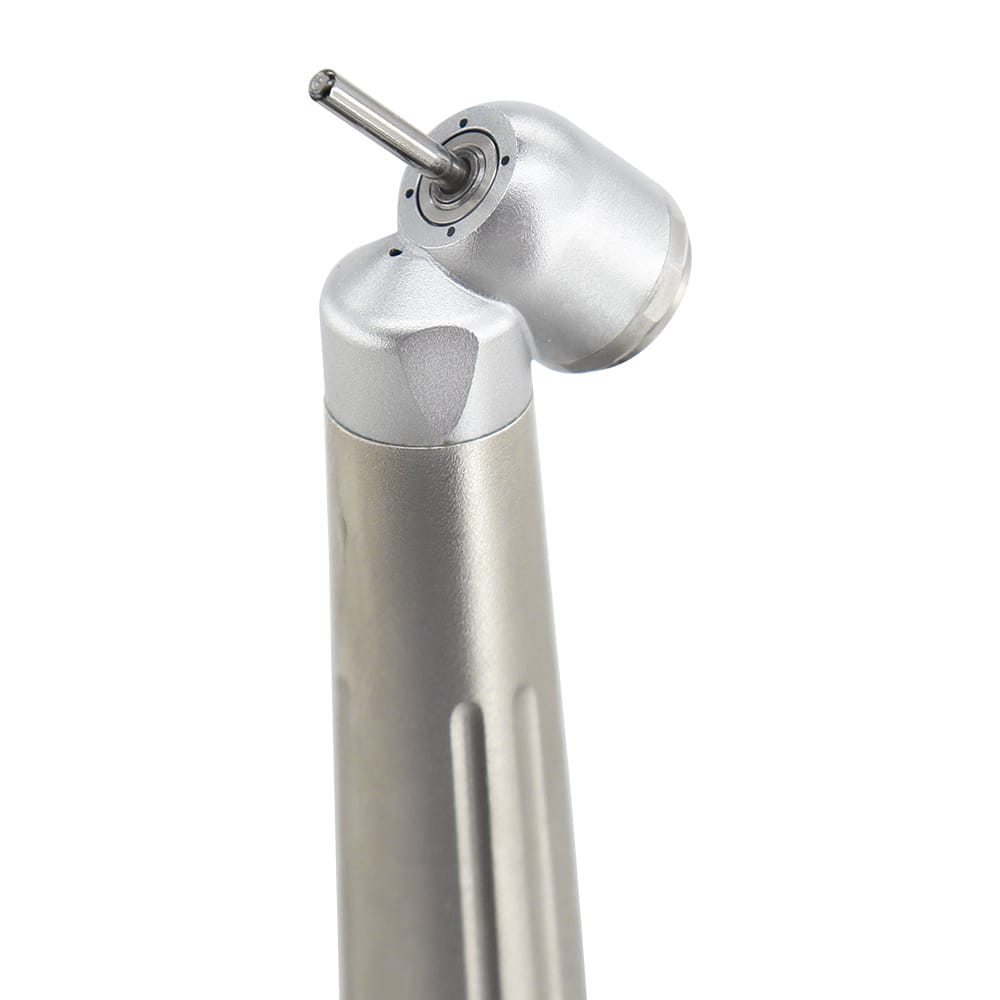
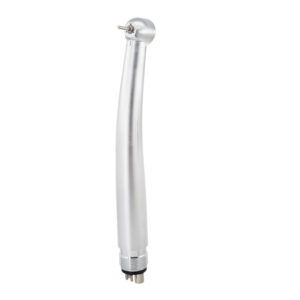
- Mini head design for enhanced access to restricted intraoral spaces
- Single-jet water cooling with rear exhaust design
- Push-button bur release for fast, one-handed bur changes
- Available in 2-hole and 4-hole connection interfaces
- Compatible with autoclave sterilization at 135°C
Description
The 45° Mini Titanium-Coated High-Speed Handpiece is a precision dental instrument designed for clinicians who require superior posterior access combined with a compact head profile and a premium titanium-coated finish. The 45-degree angled head geometry provides an optimized approach angle to the posterior region of the oral cavity, while the mini head design further reduces head bulk, allowing access to restricted intraoral spaces where standard-sized handpiece heads create visibility and maneuverability challenges.
Finished with a titanium coating and a distinctive double arc-line surface pattern, this handpiece offers outstanding corrosion resistance and a secure ergonomic grip in a refined, professional aesthetic. The single-jet water spray cooling system with rear exhaust design effectively manages heat at the bur-tooth interface, protecting pulp vitality throughout tooth preparation. Operating at 320,000–350,000 RPM with a working pressure of 0.22–0.25 MPa, it delivers consistent, reliable cutting performance across a wide range of restorative and endodontic access procedures.
Feature
- The 45-degree angled head provides improved access to posterior teeth, distal molar surfaces, and hard-to-reach intraoral regions, enabling more precise preparation with a more neutral wrist position and reduced operator fatigue during extended procedures.
- The mini head design reduces overall head volume compared to standard handpiece heads, improving access to restricted spaces such as narrow arches, pediatric patients, and deep posterior preparations where standard head bulk limits visibility and maneuverability.
- Single-jet water spray cooling combined with a rear exhaust system delivers targeted heat dissipation at the bur-tooth contact point, effectively controlling thermal buildup and protecting pulp vitality during high-speed cutting.
- The titanium-coated body provides a harder, more chemically stable surface than standard metal handpieces, ensuring long-term resistance to corrosion, wear, and surface degradation across repeated high-temperature sterilization cycles.
- The double arc-line surface pattern delivers a reliable, non-slip grip in wet or gloved conditions, while the titanium finish gives the handpiece a clean, premium appearance suited to high-end clinical environments.
- Compatible with both 2-hole and 4-hole connection standards for broad compatibility with mainstream dental unit interfaces.
45° Mini Titanium-Coated High-Speed Handpiece — Specifications
| Parameter | Specification |
|---|---|
| Head Angle | 45° |
| Head Size | Mini |
| Body Pattern | Double Arc-Line |
| Connection | 2-Hole / 4-Hole |
| Body Material | Titanium-Coated |
| Cooling System | Single-Jet Water Spray, Rear Exhaust |
| Bur Chuck | Push-Button Release |
| Working Air Pressure | 0.22 – 0.25 MPa |
| Speed | 320,000 – 350,000 RPM |
| Noise Level | ≤ 60 dB |
| Bur Shank Diameter | Φ 1.595 – 1.600 mm |
| Sterilization | 135°C High-Temperature Autoclave |
Working Principle
The 45° Mini Titanium-Coated High-Speed Handpiece operates on a pneumatic turbine principle. Compressed air enters through the connection interface at 0.22–0.25 MPa, driving the internal turbine rotor to achieve rotational speeds of 320,000–350,000 RPM, generating the sustained cutting force required for efficient tooth preparation across enamel, dentin, and restorative materials.
The single-jet water spray cooling system delivers a precise, targeted stream of water directly to the bur-tooth contact zone, effectively controlling heat accumulation and maintaining pulp vitality throughout the cutting process. The rear exhaust design channels spent air cleanly away from the surgical field, preventing aerosol contamination from blowing toward the patient or operative area. The compact mini head concentrates turbine mass in a smaller form factor without compromising rotational stability or bur concentricity, maintaining vibration control at maximum RPM. The push-button chuck mechanism locks and releases burs of Φ1.595–1.600 mm shank diameter securely and instantly.
Clinical Practice of the 45° Mini Titanium-Coated High-Speed Handpiece
1. Pre-Operative Setup
- Inspect the handpiece packaging and confirm the titanium-coated surface shows no signs of damage or delamination before use.
- Connect via the 2-hole or 4-hole interface and confirm air pressure is within 0.22–0.25 MPa.
- Install the appropriate bur using the push-button release and confirm secure chuck engagement before activation.
- Run the handpiece unloaded for 5–10 seconds to verify smooth turbine rotation, cooling water output, and rear exhaust function.
2. Intraoperative Management
- Leverage the mini head advantage in cases with limited mouth opening, narrow arches, or deep posterior preparations where standard head bulk restricts visibility and approach angle — the reduced head profile allows the clinician to position the bur more precisely relative to the tooth long axis.
- Combine the 45-degree head angle with patient head positioning to achieve optimal access to second and third molars without excessive wrist pronation.
- Maintain light, intermittent contact between the bur and tooth surface; avoid sustained pressure that can overheat the pulp or stall the turbine.
- Confirm the single-jet cooling spray remains accurately aimed at the cutting site throughout the procedure.
- Monitor operating noise; normal operation should remain ≤60 dB. Abnormal vibration or increased sound indicates bur wear or bearing degradation requiring immediate attention.
3. Post-Operative Maintenance
- Remove the bur immediately after the procedure using the push-button release.
- Lubricate the handpiece internally per the manufacturer’s protocol before sterilization.
- Sterilize in a Class B autoclave at 135°C. Do not use chemical sterilization agents, which are incompatible with the titanium coating and may degrade internal seals.
- After sterilization, inspect the titanium-coated surface for pitting or discoloration; clean gently with a soft cloth before storage.
The Function of the 45° Mini Titanium-Coated High-Speed Handpiece
The 45° Mini Titanium-Coated High-Speed Handpiece occupies a specific and valuable clinical niche: it combines the posterior access advantage of a 45-degree head angle with the reduced head bulk of a mini form factor, making it the instrument of choice in cases where both geometry and physical space are limiting factors simultaneously.
Standard 45-degree handpieces improve approach angle but retain a conventional head volume that can still obstruct access in narrow arches or restricted openings. The mini head design removes this remaining constraint, reducing the physical footprint of the head without compromising turbine performance or bur stability. This combination is particularly advantageous in pediatric dentistry, patients with limited mouth opening, and complex posterior preparations where every millimeter of clearance matters.
The titanium coating adds meaningful long-term value in high-turnover clinical environments. Its superior surface hardness and chemical stability compared to standard metal bodies extend service life across hundreds of sterilization cycles, while the double arc-line pattern ensures grip security throughout demanding procedures.
Important Notes for Using the 45° Mini Titanium-Coated High-Speed Handpiece
- Always confirm air supply pressure is within 0.22–0.25 MPa before operation. Pressure below this range reduces turbine speed and cutting efficiency; pressure above it accelerates bearing wear and shortens handpiece service life.
- Use only burs with a shank diameter of Φ1.595–1.600 mm. Out-of-tolerance burs compromise concentricity, generate excessive vibration, and risk chuck damage — this is particularly important in a mini head where component tolerances are tighter than in standard-sized handpieces.
- Do not activate the handpiece without a bur properly installed. Unloaded turbine operation at maximum RPM accelerates rotor imbalance and bearing wear.
- Operate the push-button bur release only when the turbine has fully stopped. Attempting bur changes during spin-down can damage the chuck and create a bur ejection hazard.
- Lubricate before every sterilization cycle without exception. Insufficient lubrication is the leading cause of premature turbine failure and is particularly critical in mini head designs where internal component clearances are reduced.
- Sterilize at 135°C autoclave only. Chemical cold sterilization solutions are incompatible with the titanium coating and may cause surface pitting, internal seal degradation, and corrosion of the mini head components.
- Inspect the titanium-coated body after each sterilization cycle for surface delamination, pitting, or discoloration. Retire the handpiece from clinical use if coating integrity is compromised.
- Pay particular attention to the mini head connection joint during inspection — the compact geometry of the head-neck junction concentrates mechanical stress during use, and any visible cracking or loosening requires immediate retirement.
评价
目前还没有评价