
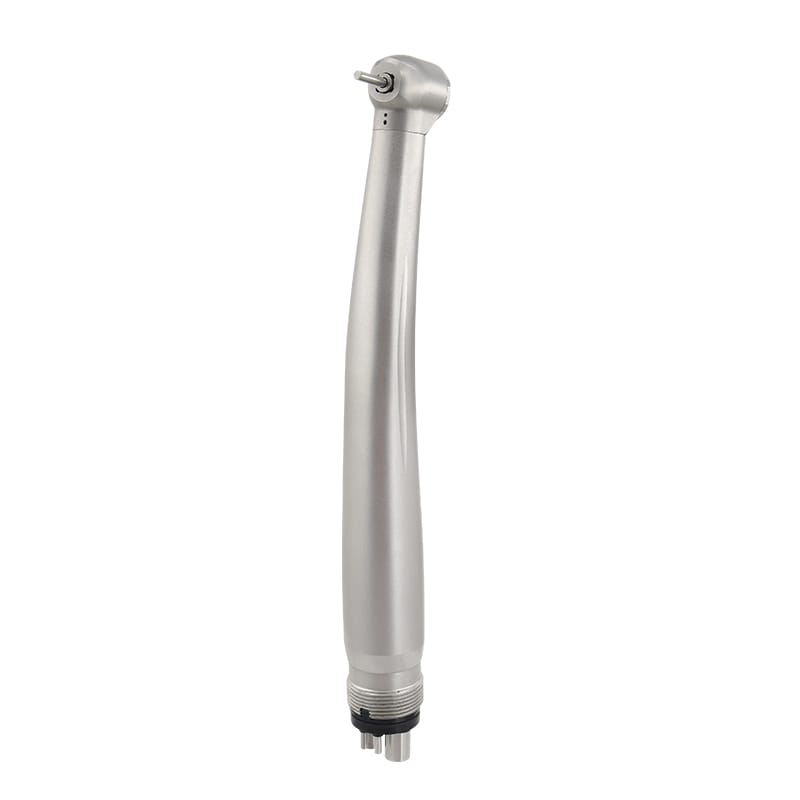
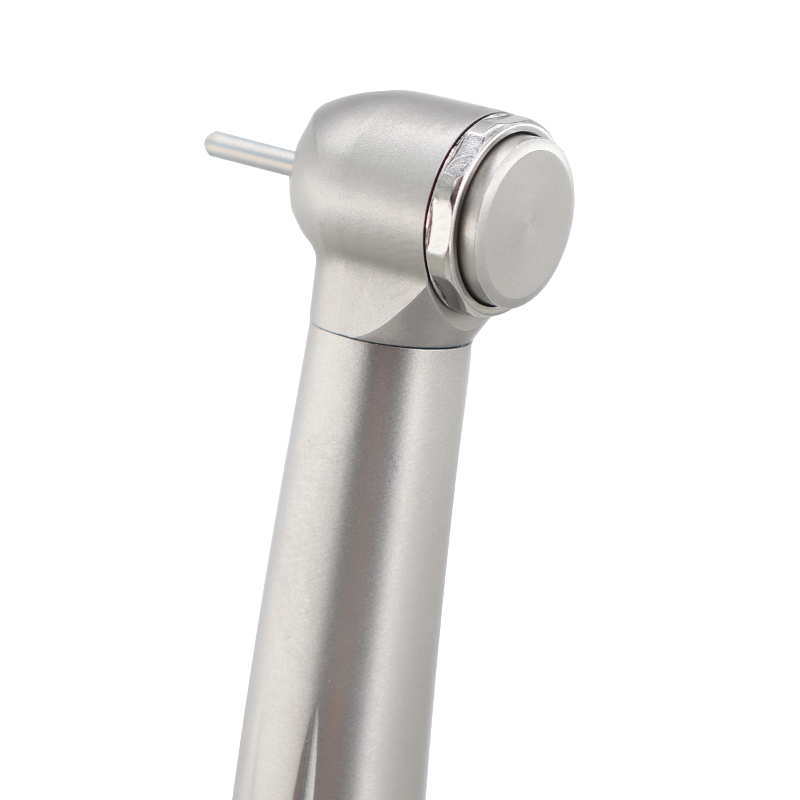
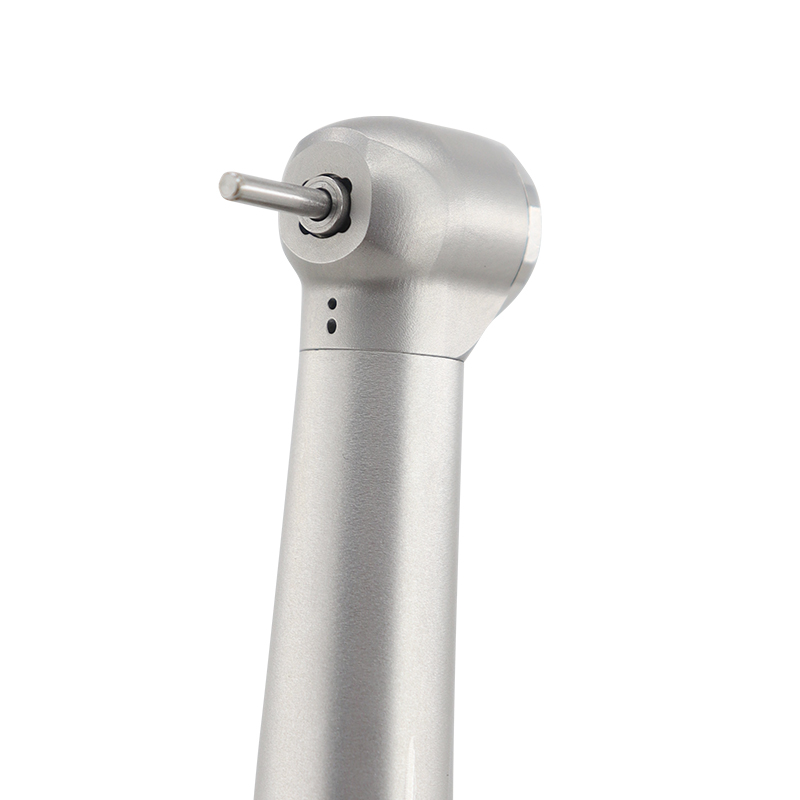
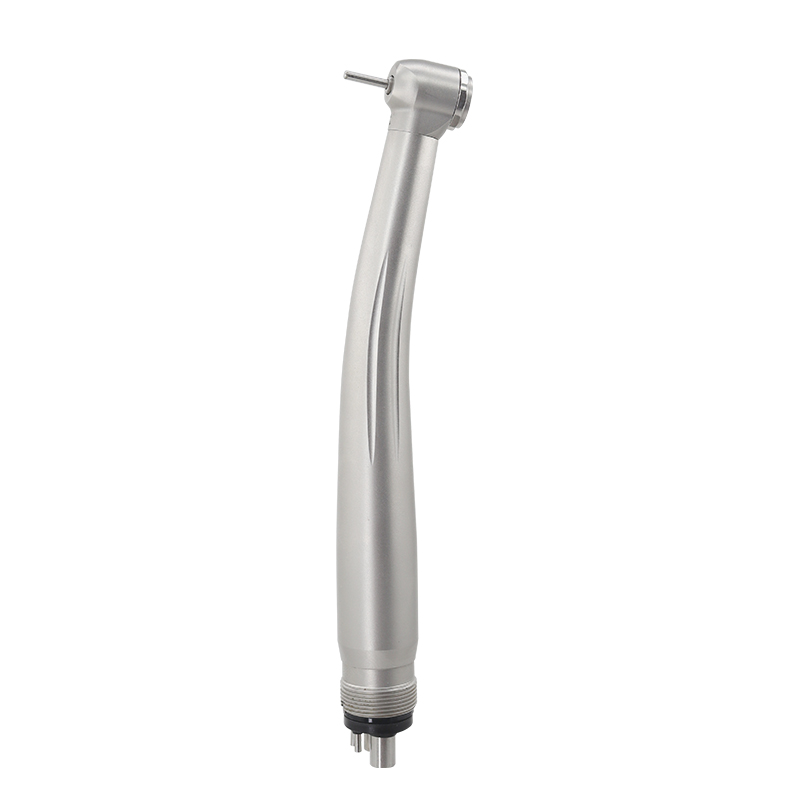
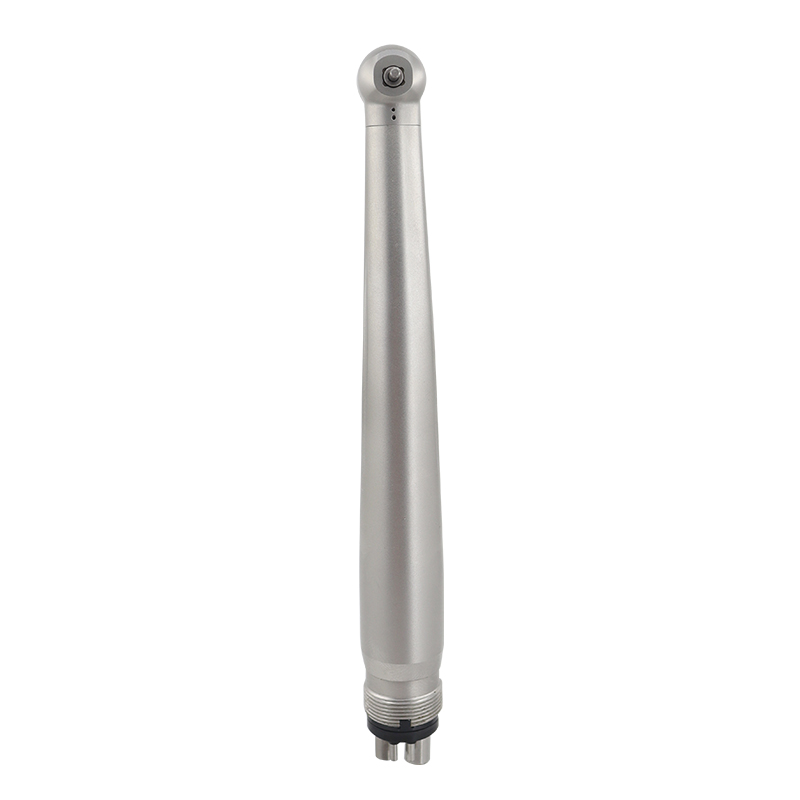
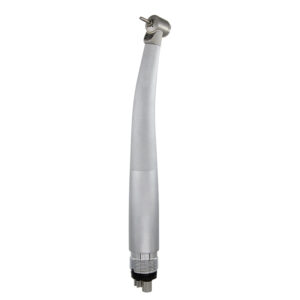
MAX2 High-Speed Handpiece
描述
MAX2 High-Speed Handpiece
- Double arc-line grip pattern for secure ergonomic control
- Stainless steel head with metal body — premium dual-material construction
- 4-point anti-suckback system for enhanced infection control and patient safety
- Single-jet water cooling with precision-directed spray
- Push-button bur release for fast, one-handed bur changes
- Available in 2-hole and 4-hole connection interfaces
- Compatible with autoclave sterilization at 135°C
Description
The MAX2 High-Speed Handpiece is a clinically advanced dental instrument that sets itself apart through a purpose-engineered 4-point anti-suckback system — a critical infection control feature that prevents the retrograde aspiration of oral fluids, blood, and microbial contamination back into the handpiece water and air lines when the turbine decelerates at the end of each use cycle.
Constructed with a stainless steel head and a full metal body, the MAX2 combines the corrosion resistance and surface hardness of stainless steel at the most clinically exposed component — the head — with the structural rigidity and weight balance of a metal body. The double arc-line surface pattern provides a secure, ergonomic grip across all clinical conditions. The single-jet water spray delivers precise, targeted cooling at the bur-tooth contact point, effectively managing heat at the operative site. Operating at 320,000–350,000 RPM with a working pressure of 0.22–0.25 MPa, the MAX2 delivers consistent high-speed cutting performance with an infection control standard that routine handpieces cannot match.
Feature
- The 4-point anti-suckback system is the defining clinical feature of the MAX2, using four distributed check-valve points to prevent negative pressure-driven aspiration of oral fluids into the handpiece water and air channels when the turbine stops — directly reducing the risk of cross-contamination between patients and protecting the integrity of the dental unit waterline.
- The stainless steel head provides superior corrosion resistance, surface hardness, and dimensional stability at the component most exposed to oral fluids, aerosols, and repeated sterilization cycles, extending head service life significantly compared to standard alloy head constructions.
- The metal body delivers exceptional structural rigidity and consistent weight balance, ensuring the handpiece maintains precise tactile feedback during cutting and resists deformation across hundreds of autoclave cycles.
- The single-jet water spray provides focused, targeted cooling at the bur-tooth interface, delivering effective heat dissipation to the cutting zone with controlled water volume that minimizes field flooding during fine preparations.
- The double arc-line surface pattern provides a reliable, non-slip grip across all clinical conditions, complementing the precision control required for both routine and complex restorative procedures.
- Compatible with both 2-hole and 4-hole connection standards for broad compatibility with mainstream dental unit interfaces.
MAX2 High-Speed Handpiece — Specifications
| Parameter | Specification |
|---|---|
| Model | MAX2 |
| Body Pattern | Double Arc-Line |
| Connection | 2-Hole / 4-Hole |
| Head Material | Stainless Steel |
| Body Material | Metal |
| Cooling System | Single-Jet Water Spray |
| Anti-Suckback | 4-Point Anti-Suckback System |
| Bur Chuck | Push-Button Release |
| Working Air Pressure | 0.22 – 0.25 MPa |
| Speed | 320,000 – 350,000 RPM |
| Noise Level | ≤ 60 dB |
| Bur Shank Diameter | Φ 1.595 – 1.600 mm |
| Sterilization | 135°C High-Temperature Autoclave |
Working Principle
The MAX2 High-Speed Handpiece operates on a pneumatic turbine principle. Compressed air enters through the connection interface at 0.22–0.25 MPa, driving the internal turbine rotor to achieve rotational speeds of 320,000–350,000 RPM. The stainless steel head houses the turbine assembly in a corrosion-resistant, dimensionally stable environment that maintains bearing alignment and bur concentricity with precision across the full service life of the handpiece.
The 4-point anti-suckback system is the key engineering differentiator of the MAX2. In conventional high-speed handpieces, when the air supply is cut and the turbine decelerates, a momentary negative pressure can develop within the head and water channel. This negative pressure acts as a suction force that draws oral fluids — saliva, blood, and microbial contaminants — back through the bur chuck and into the internal water and air passages of the handpiece and connected dental unit lines. The MAX2’s 4-point anti-suckback system uses four strategically positioned check valves that close instantaneously when forward air pressure ceases, creating a sealed barrier that prevents any retrograde fluid movement from the oral cavity into the handpiece channels. The single-jet cooling spray delivers targeted water to the bur-tooth contact zone, maintaining precise field moisture control without excessive flooding.
Clinical Practice of the MAX2 High-Speed Handpiece
1. Pre-Operative Setup
- Inspect the handpiece packaging and confirm the stainless steel head and metal body show no signs of damage or corrosion before use.
- Connect via the 2-hole or 4-hole interface and confirm air pressure is within 0.22–0.25 MPa.
- Install the appropriate bur using the push-button release and confirm secure chuck engagement.
- Run the handpiece unloaded for 5–10 seconds — this also purges the water and air lines and confirms that the single-jet spray and anti-suckback system are functioning correctly before intraoral use.
2. Intraoperative Management
- Use the MAX2 with confidence in procedures involving high oral fluid volume, bleeding sites, or immunocompromised patients where cross-contamination risk is elevated — the 4-point anti-suckback system provides active protection at every turbine deceleration event, not just between patients.
- Maintain the single-jet spray aimed at the cutting site throughout the procedure; the precision spray design delivers effective cooling without excessive field flooding, which is particularly valuable during bonding procedures where moisture control is critical.
- Apply light, intermittent contact between bur and tooth surface; avoid sustained pressure that can stall the turbine or reduce the anti-suckback system’s effectiveness by creating abnormal pressure differentials within the head.
- Monitor operating noise throughout; normal operation should remain ≤60 dB. Abnormal sound or vibration requires immediate handpiece retirement.
3. Post-Operative Maintenance
- Remove the bur immediately after the procedure using the push-button release.
- Run the handpiece for 20–30 seconds after each patient to flush the water and air lines — the anti-suckback system prevents backflow, but line flushing remains best practice for dental unit waterline hygiene per infection control guidelines.
- Lubricate the handpiece internally per the manufacturer’s protocol before every sterilization cycle.
- Sterilize in a Class B autoclave at 135°C. The stainless steel head is designed to withstand repeated high-temperature sterilization without surface degradation.
- After sterilization, inspect the stainless steel head for surface deposits or discoloration and clean gently if needed before storage.
The Function of the MAX2 High-Speed Handpiece
The MAX2 High-Speed Handpiece addresses an infection control vulnerability that exists in virtually every conventional high-speed handpiece: suckback contamination. When a standard handpiece turbine decelerates after the foot pedal is released, the drop in internal air pressure creates a transient negative pressure that can draw oral contents — saliva, blood, tissue debris, and associated microorganisms — back through the bur chuck and into the internal water channel. Research has consistently demonstrated that this suckback phenomenon occurs in handpieces without anti-retraction mechanisms, and that contaminated water channel fluid can be delivered to subsequent patients during the water spray phase of the next procedure.
The MAX2’s 4-point anti-suckback system directly addresses this mechanism. By deploying four check valves that respond to the cessation of forward air pressure, the system prevents the development of retrograde negative pressure in the first place, maintaining a sealed, contamination-free internal environment between uses. This level of active cross-contamination prevention is increasingly required by infection control standards in hospitals, university clinics, and regulatory environments worldwide.
The stainless steel head complements this infection control positioning: unlike standard alloy heads that may develop micro-surface irregularities over time from corrosion or wear — which can harbor biofilm — the stainless steel surface maintains its integrity across the handpiece’s service life, supporting effective decontamination at every sterilization cycle.
Important Notes for Using the MAX2 High-Speed Handpiece
- Always confirm air supply pressure is within 0.22–0.25 MPa before operation. The 4-point anti-suckback check valves are calibrated to respond to the pressure differential that occurs at this operating range; significantly out-of-range pressure may affect valve performance.
- Use only burs with a shank diameter of Φ1.595–1.600 mm. Out-of-tolerance burs can create gaps at the bur-chuck interface that compromise the anti-suckback seal at the head entry point.
- Always run the handpiece for 20–30 seconds after each patient use to flush water and air lines — the anti-suckback system prevents backflow into the handpiece, but the dental unit waterlines upstream of the handpiece still require flushing per standard infection control protocols.
- Do not activate the handpiece without a bur properly installed. An uninstalled bur leaves the chuck open, compromising the head’s sealed environment and the integrity of the anti-suckback barrier at the bur entry point.
- Operate the push-button bur release only when the turbine has fully stopped. Bur changes during spin-down risk chuck damage and create a momentary pressure differential that can temporarily stress the anti-suckback valve seating.
- Lubricate before every sterilization cycle. The stainless steel head’s internal bearing and chuck components require adequate lubrication to maintain performance and corrosion resistance through repeated autoclave cycles.
- Sterilize at 135°C autoclave only. Chemical sterilization agents are incompatible with the internal seals and anti-suckback valve components; chemical exposure may degrade valve performance and compromise the system’s infection control effectiveness.
- Inspect the stainless steel head surface, chuck seal area, and body after each sterilization cycle. Any visible surface pitting, seal damage, or structural compromise requires immediate handpiece retirement — compromised chuck sealing directly undermines the anti-suckback system’s protective function.
评价
目前还没有评价