
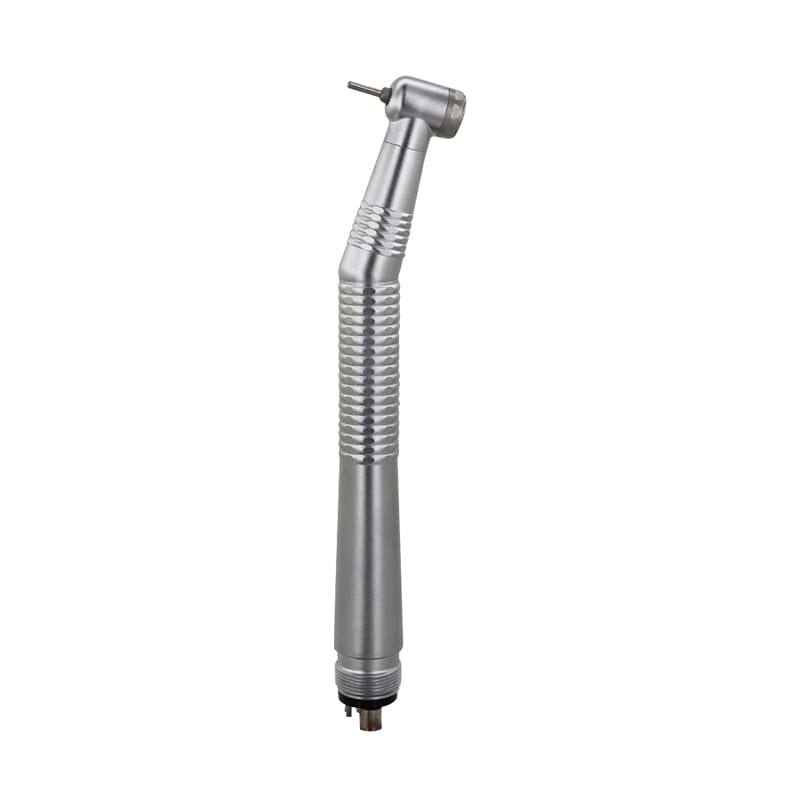
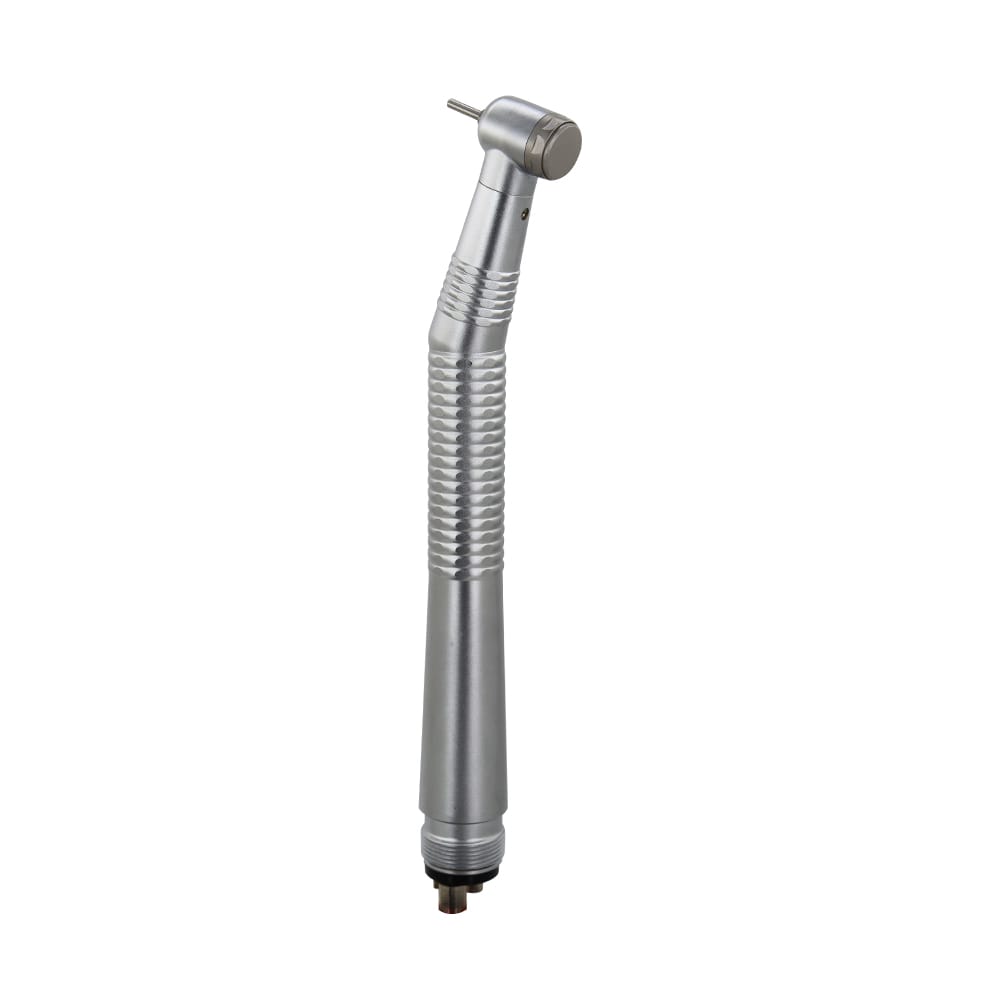
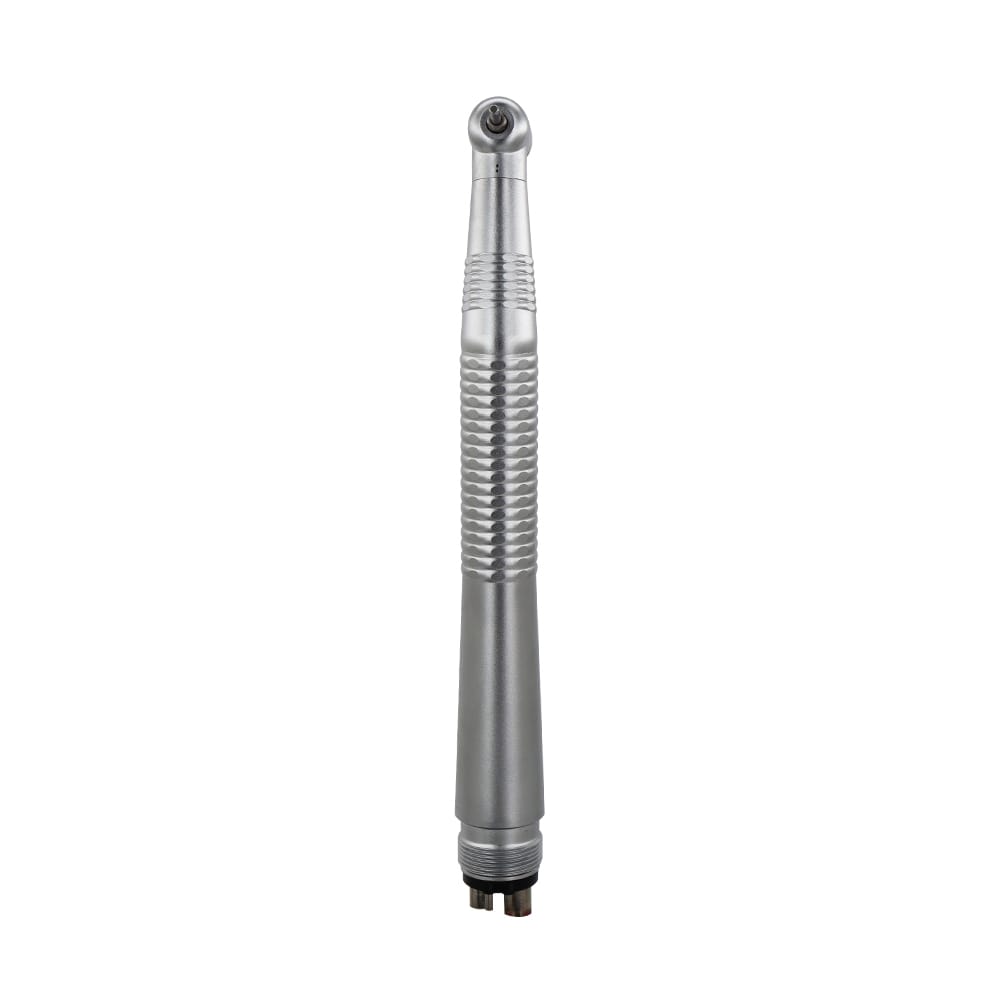
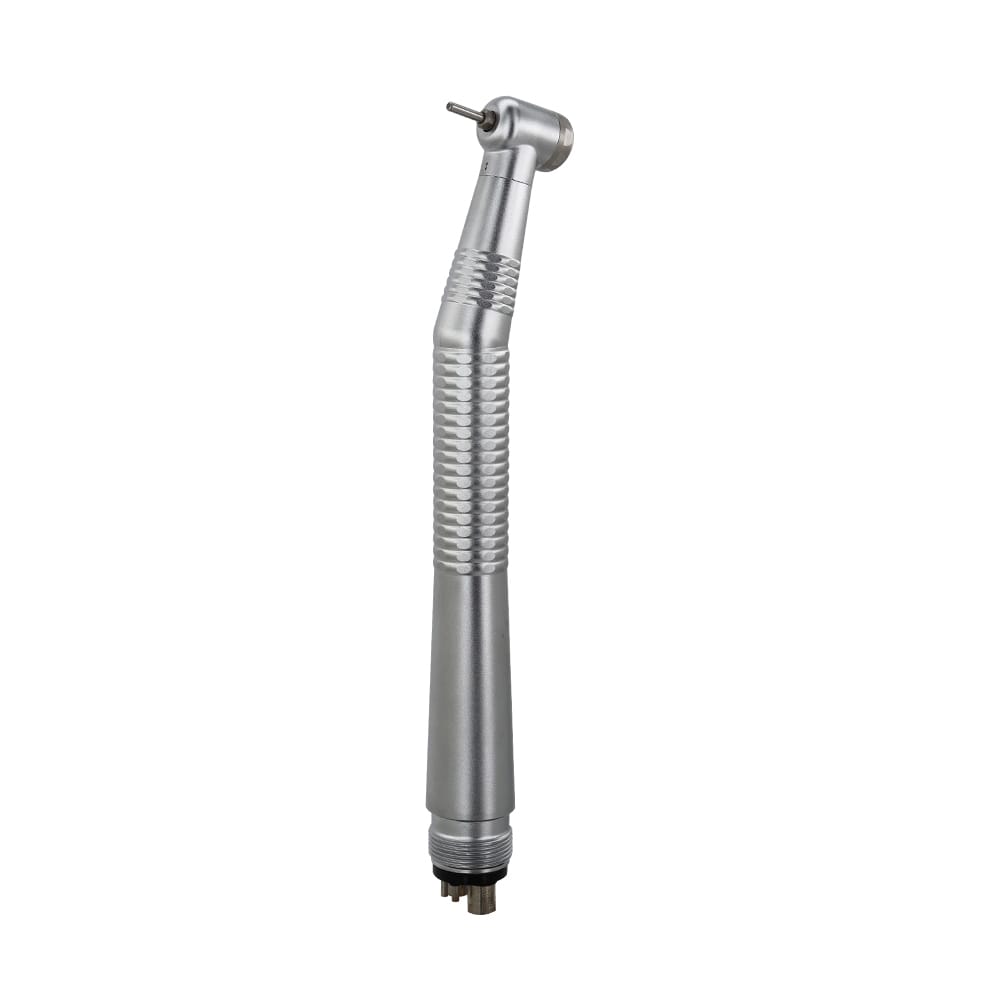
114 Standard Push-Button High-Speed Handpiece
描述
114 Standard Push-Button High-Speed Handpiece
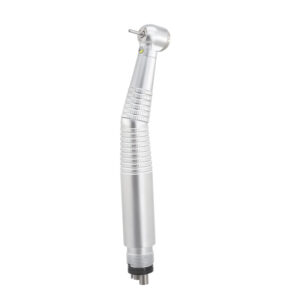
- Threaded grip pattern for maximum anti-slip control
- Full metal body construction for durability and long-term reliability
- Three-point water spray cooling for comprehensive heat dissipation
- Push-button bur release for fast, one-handed bur changes
- Standard head design compatible with routine clinical workflows
- Available in 2-hole and 4-hole connection interfaces
- Compatible with autoclave sterilization at 135°C
Description
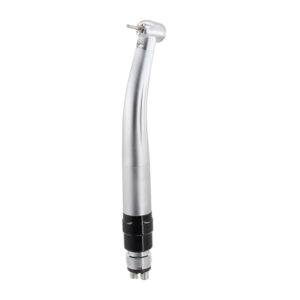
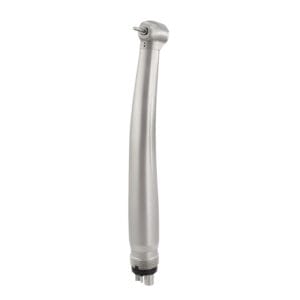
The 114 Standard Push-Button High-Speed Handpiece is a robust, clinically versatile dental instrument built for reliable everyday performance across a wide range of restorative, preparatory, and endodontic access procedures. Featuring a full metal body with a distinctive threaded surface pattern, the handpiece delivers an exceptionally secure grip under all clinical conditions while providing the structural durability required for high-turnover clinical environments.
The three-point water spray cooling system ensures comprehensive heat dissipation across the cutting zone, delivering simultaneous water coverage from three nozzle positions around the bur tip to protect pulp vitality and surrounding tissues during high-speed cutting. The push-button bur release mechanism enables fast, one-handed bur changes without the need for additional tools, minimizing chairside downtime between procedures. Operating at 320,000–350,000 RPM with a working pressure of 0.22–0.25 MPa, the 114 handpiece delivers consistent, high-torque cutting performance that clinical teams can depend on day in, day out.
Feature
- The threaded grip pattern covers the full working length of the handpiece body, providing a deep, textured anti-slip surface that maintains secure clinician control throughout procedures — particularly valuable in moisture-heavy environments where smooth-bodied handpieces tend to slip.
- The three-point water spray cooling system delivers simultaneous water coverage from three nozzle positions around the head, ensuring more uniform heat dissipation across the cutting zone compared to single-jet systems, and reducing the risk of localized thermal buildup during extended cutting sequences.
- The push-button bur release mechanism allows fast, reliable, one-handed bur installation and removal without wrenches or supplementary tools, improving chairside efficiency in high-throughput clinical settings.
- The full metal body provides exceptional structural rigidity, resistance to deformation, and long-term durability across hundreds of high-temperature autoclave sterilization cycles.
- The standard head geometry is compatible with the full range of routine dental procedures — tooth preparation, crown reduction, cavity access, and endodontic entry — making this handpiece a dependable all-purpose instrument for any operatory.
- Compatible with both 2-hole and 4-hole connection standards for broad compatibility with mainstream dental unit interfaces.
114 Standard Push-Button High-Speed Handpiece — Specifications
| Parameter | Specification |
|---|---|
| Model | 114 |
| Body Pattern | Threaded |
| Connection | 2-Hole / 4-Hole |
| Body Material | Metal |
| Cooling System | Three-Point Water Spray |
| Bur Chuck | Push-Button Release |
| Working Air Pressure | 0.22 – 0.25 MPa |
| Speed | 320,000 – 350,000 RPM |
| Noise Level | ≤ 60 dB |
| Bur Shank Diameter | Φ 1.595 – 1.600 mm |
| Sterilization | 135°C High-Temperature Autoclave |
Working Principle
The 114 Standard Push-Button High-Speed Handpiece operates on a pneumatic turbine principle. Compressed air enters through the connection interface at 0.22–0.25 MPa, driving the internal turbine rotor to achieve rotational speeds of 320,000–350,000 RPM, generating the sustained cutting force required for efficient tooth preparation across enamel, dentin, and restorative materials.
The three-point water spray cooling system simultaneously delivers water to three nozzle positions distributed around the handpiece head. This triangulated coverage pattern ensures that the bur-tooth contact zone receives active cooling regardless of the cutting direction or bur orientation, reducing the risk of the unilateral thermal loading that can occur with single-jet systems when the clinician changes cutting angle. The push-button chuck mechanism provides secure bur retention at maximum RPM while allowing tool-free release through direct button depression, maintaining concentricity and vibration control throughout the cutting cycle.
Clinical Practice of the 114 Standard Push-Button High-Speed Handpiece
1. Pre-Operative Setup
- Inspect the handpiece packaging and confirm the metal body shows no signs of damage or corrosion before use.
- Connect via the 2-hole or 4-hole interface and confirm air pressure is within 0.22–0.25 MPa.
- Install the appropriate bur using the push-button release and confirm secure chuck engagement before activation.
- Run the handpiece unloaded for 5–10 seconds to verify smooth turbine rotation, three-point cooling water output, and overall function before placing in the patient’s mouth.
2. Intraoperative Management
- Take advantage of the threaded grip pattern to maintain precise control during demanding cutting sequences — the deep texture provides tactile feedback and slip resistance that smooth-bodied handpieces cannot replicate, especially during extended procedures where hand fatigue accumulates.
- Monitor the three-point spray distribution throughout the procedure; all three nozzle streams should be visible and consistent. Asymmetric or reduced output from any nozzle may indicate partial blockage requiring post-procedure cleaning.
- Maintain light, intermittent contact between bur and tooth surface; avoid sustained pressure that can overheat the pulp or stall the turbine at maximum RPM.
- Monitor operating noise; normal operation should remain ≤60 dB. Any increase in noise or vibration indicates bur wear or bearing degradation requiring immediate handpiece retirement.
3. Post-Operative Maintenance
- Remove the bur immediately after the procedure using the push-button release.
- Inspect all three spray nozzles for mineral scale or debris blockage; flush with clean water if any nozzle output appears reduced or asymmetric.
- Lubricate the handpiece internally per the manufacturer’s protocol before every sterilization cycle.
- Sterilize in a Class B autoclave at 135°C high-temperature high-pressure cycle.
- Store in a clean, dry environment after sterilization is complete.
The Function of the 114 Standard Push-Button High-Speed Handpiece
The 114 Standard Push-Button High-Speed Handpiece is designed around the principle that clinical reliability and procedural versatility are the foundational requirements of a workhorse operatory instrument. Unlike specialized handpieces optimized for specific access geometries or patient categories, the 114 is built to perform consistently across the full breadth of routine dental procedures — from simple cavity preparation and crown reduction to endodontic access and bridge pontic modification.
The threaded grip pattern is a deliberate design choice that differentiates the 114 from handpieces featuring smoother surface textures. In a clinical environment where gloves, water, blood, and irrigants are constantly present, a deeply textured threaded surface provides substantially more grip security than arc-line or smooth finishes. For clinicians who perform high volumes of procedures daily, this grip reliability directly reduces the mental effort required to maintain instrument control, contributing to reduced hand fatigue and improved procedural consistency over a full clinical day.
The three-point cooling system similarly reflects a commitment to comprehensive performance: rather than optimizing cooling for a single direction, the triangulated nozzle arrangement ensures that any cutting orientation benefits from active water coverage, making the 114 a dependable choice across the varied cutting geometries encountered in routine restorative practice.
Important Notes for Using the 114 Standard Push-Button High-Speed Handpiece
- Always confirm air supply pressure is within 0.22–0.25 MPa before operation. Pressure below this range reduces turbine speed and cutting efficiency; pressure above it accelerates bearing wear and shortens handpiece service life.
- Use only burs with a shank diameter of Φ1.595–1.600 mm. Out-of-tolerance burs compromise concentricity, generate excessive vibration, and risk damage to the push-button chuck mechanism.
- Inspect all three spray nozzles before each clinical session. Partial blockage of any nozzle reduces cooling coverage and creates thermal asymmetry at the cutting site; clear any obstruction before clinical use.
- Do not activate the handpiece without a bur properly installed. Unloaded turbine operation at maximum RPM accelerates bearing wear and rotor imbalance.
- Operate the push-button bur release only when the turbine has fully stopped. Attempting bur changes while the rotor is still spinning risks chuck damage and unexpected bur ejection.
- Lubricate before every sterilization cycle without exception. Insufficient lubrication is the primary cause of premature turbine failure in high-speed handpieces and will void most manufacturer warranties.
- Sterilize at 135°C autoclave only. Chemical cold sterilization solutions may corrode internal metal components and degrade seals, compromising both function and infection control integrity.
- Inspect the threaded grip surface and metal body after each sterilization cycle for signs of corrosion, pitting, or surface cracking. Retire the handpiece from clinical use if structural compromise is detected.
评价
目前还没有评价