
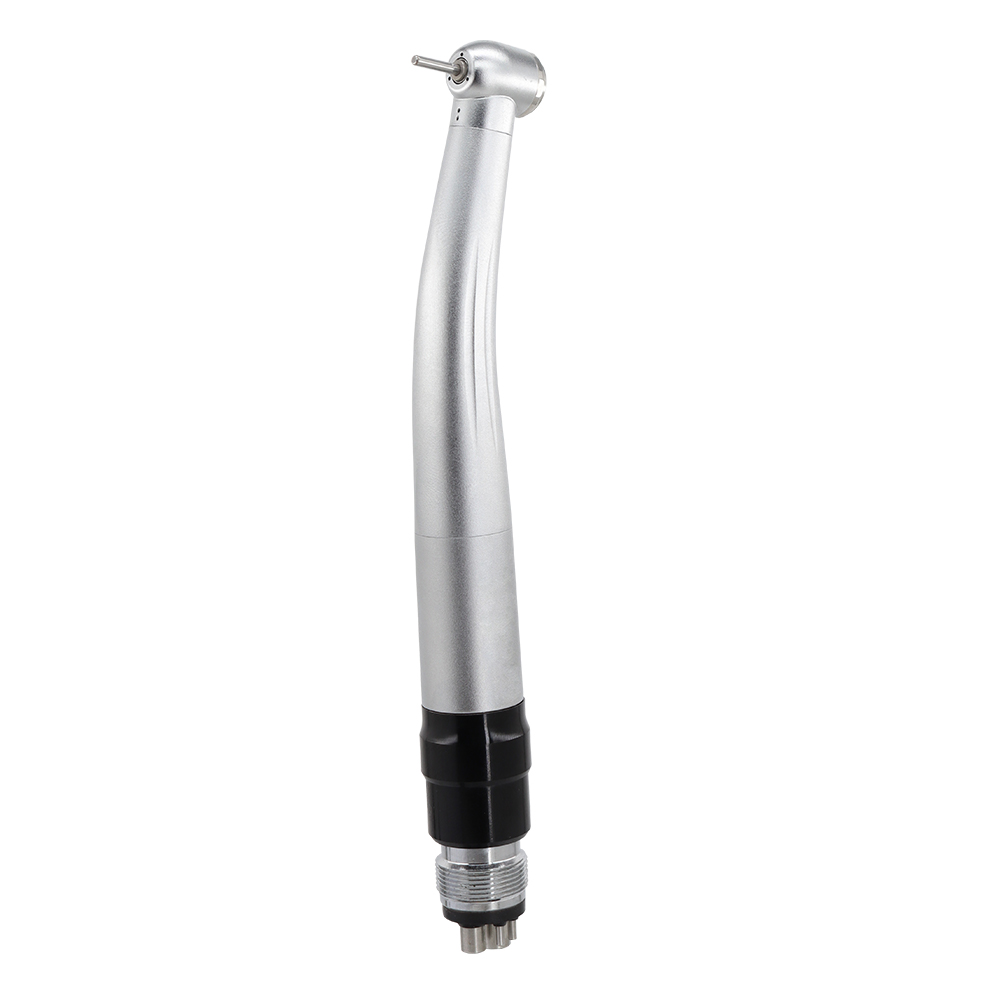
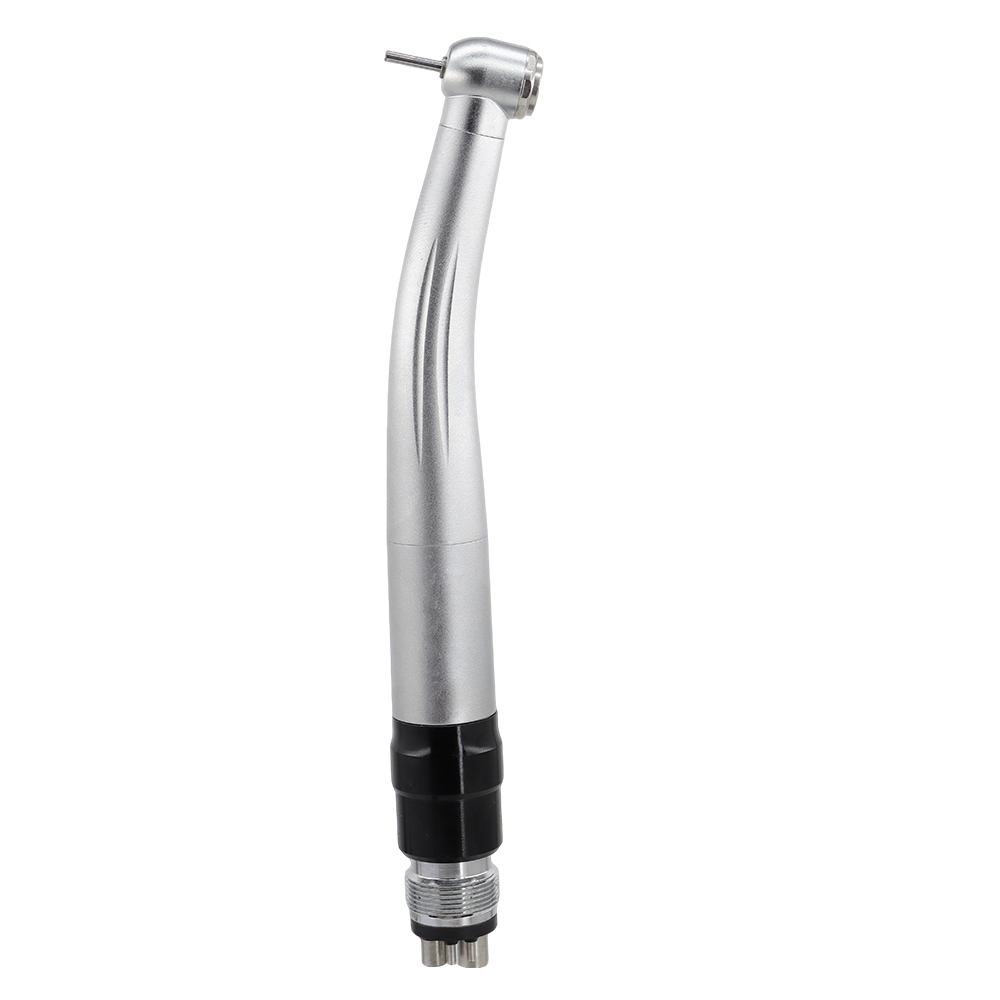
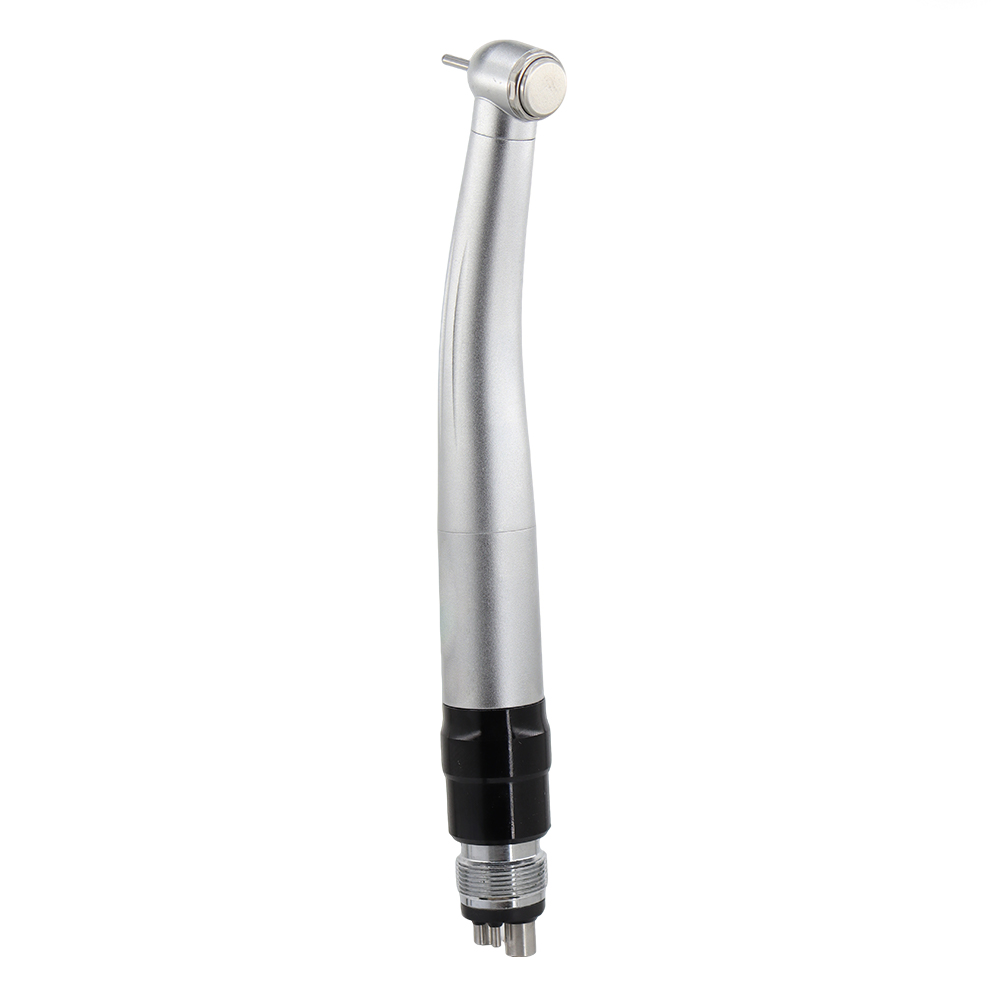
MAX Quick-Disconnect High-Speed Handpiece
描述
MAX Quick-Disconnect High-Speed Handpiece
- Twin-line grip pattern for secure, reliable ergonomic control
- Quick-disconnect coupling for tool-free, instant handpiece connection and removal
- 3-point anti-suckback system for effective infection control and cross-contamination prevention
- Single-jet water cooling with precision-directed spray
- Full metal body construction for durability and long-term reliability
- Push-button bur release for fast, one-handed bur changes
- Available in 2-hole and 4-hole connection interfaces
- Compatible with autoclave sterilization at 135°C
Description
The MAX Quick-Disconnect High-Speed Handpiece is a clinically efficient dental instrument that combines the operational convenience of a quick-disconnect coupling with the infection control protection of a 3-point anti-suckback system, housed in a full metal body with a clean twin-line surface pattern.
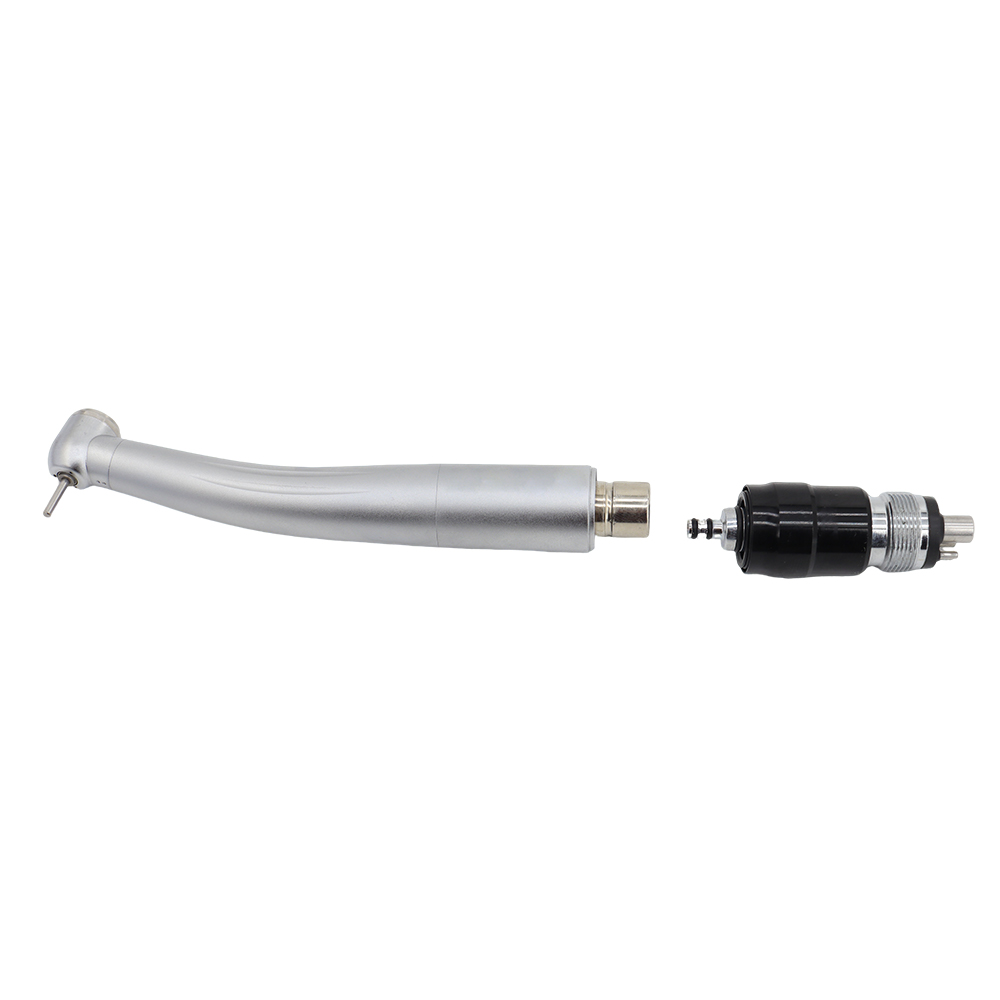
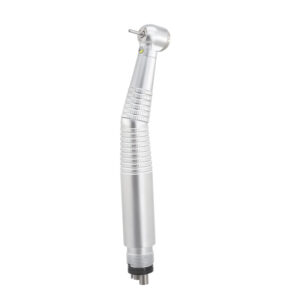
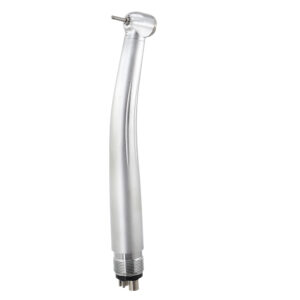
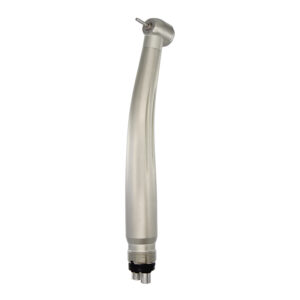
The quick-disconnect coupling — the distinctive black collar assembly at the handpiece base, clearly shown separated from the unit connector in the product images — allows the handpiece to be attached to and detached from the dental unit tubing in a single action, without threading, wrenching, or tool use. This eliminates the connection delay of conventional threaded handpieces during instrument changeovers and sterilization cycling, making the MAX Quick-Disconnect a practical choice for high-throughput clinical environments where multiple handpieces are rotated through the same dental unit throughout the day. The 3-point anti-suckback system provides active protection against retrograde oral fluid aspiration at every turbine deceleration event, ensuring that the speed advantage of the quick-disconnect does not come at the cost of infection control integrity. The single-jet water spray delivers targeted, precise cooling at the bur-tooth contact zone. Operating at 320,000–350,000 RPM at 0.22–0.25 MPa, the MAX Quick-Disconnect delivers dependable cutting performance with built-in efficiency and safety.
Feature
- The quick-disconnect coupling enables tool-free, single-action attachment and removal of the handpiece from the dental unit tubing, eliminating the threading and unthreading process of conventional handpiece connections and significantly accelerating instrument changeovers, sterilization cycling, and operatory turnaround between patients.
- The 3-point anti-suckback system deploys three check valves that close instantly when forward air pressure ceases, preventing the negative pressure that would otherwise draw oral fluids, saliva, blood, and microbial contaminants back through the bur chuck into the handpiece water and air channels at every turbine stop.
- Single-jet water spray delivers focused, targeted cooling at the bur-tooth interface, providing effective heat dissipation at the cutting zone with controlled water volume that minimizes field flooding during precision restorative work.
- The full metal body provides exceptional structural rigidity and resistance to deformation, ensuring consistent performance and dimensional stability across hundreds of high-temperature autoclave sterilization cycles.
- The twin-line surface pattern delivers a clean, professional aesthetic alongside reliable grip security under all clinical conditions, including gloved and moisture-heavy operative environments.
- Compatible with both 2-hole and 4-hole connection standards for broad compatibility with mainstream dental unit interfaces.
MAX Quick-Disconnect High-Speed Handpiece — Specifications
| Parameter | Specification |
|---|---|
| Model | MAX Quick-Disconnect |
| Body Pattern | Twin-Line |
| Connection | 2-Hole / 4-Hole Quick-Disconnect |
| Body Material | Metal |
| Cooling System | Single-Jet Water Spray |
| Anti-Suckback | 3-Point Anti-Suckback System |
| Bur Chuck | Push-Button Release |
| Working Air Pressure | 0.22 – 0.25 MPa |
| Speed | 320,000 – 350,000 RPM |
| Noise Level | ≤ 60 dB |
| Bur Shank Diameter | Φ 1.595 – 1.600 mm |
| Sterilization | 135°C High-Temperature Autoclave |
Working Principle
The MAX Quick-Disconnect High-Speed Handpiece operates on a pneumatic turbine principle. Compressed air enters through the quick-disconnect coupling at 0.22–0.25 MPa, driving the internal turbine rotor to achieve rotational speeds of 320,000–350,000 RPM.
The quick-disconnect coupling uses a precision push-and-lock mechanism integrated into the black collar assembly. When engaged, the coupling creates an airtight, watertight seal between the dental unit tubing and the handpiece body at full operating pressure. When disconnection is required, a single collar release action breaks the seal cleanly, allowing the handpiece to be lifted free without any rotational or threading motion. Both the handpiece base and the unit tubing connector seal automatically upon disconnection, preventing fluid spillage during removal.
The 3-point anti-suckback system operates at the moment the foot pedal is released. Three check valves positioned within the handpiece close simultaneously in response to the pressure drop, preventing the retrograde negative pressure that would otherwise aspirate oral fluids through the bur chuck and into the internal handpiece channels. The single-jet cooling spray delivers a focused, precise stream of water to the bur-tooth contact zone throughout the cutting cycle, managing thermal buildup at the operative site without excessive field flooding.
Clinical Practice of the MAX Quick-Disconnect High-Speed Handpiece
1. Pre-Operative Setup
- Inspect the handpiece body and quick-disconnect coupling for any visible damage or seal wear before use.
- Align the quick-disconnect collar with the dental unit tubing connector and engage until the coupling locks — confirm a secure connection before activation.
- Confirm air pressure is within 0.22–0.25 MPa at the unit.
- Install the appropriate bur using the push-button release and confirm secure chuck engagement.
- Run the handpiece unloaded for 5–10 seconds to verify turbine rotation, single-jet cooling spray output, and anti-suckback valve readiness. Confirm the quick-disconnect coupling shows no air or water leakage at operating pressure.
2. Intraoperative Management
- The quick-disconnect system’s primary intraoperative benefit is instrument swap speed: when alternating between handpieces during multi-instrument procedures, the single-action disconnect eliminates the threading delay of conventional connections, maintaining procedural flow and reducing total chairtime.
- Maintain light, intermittent contact between bur and tooth surface; avoid sustained pressure that can stall the turbine or create abnormal internal pressure differentials that stress the anti-suckback valve seating.
- Confirm the single-jet cooling spray remains aimed at the cutting site throughout the procedure; repositioning may be needed when the approach angle changes significantly during complex preparations.
- Monitor operating noise; normal operation should remain ≤60 dB. Any increase in noise or vibration requires immediate handpiece retirement.
3. Post-Operative Maintenance
- Remove the bur immediately after the procedure using the push-button release.
- Disengage the quick-disconnect coupling to remove the handpiece from the unit for sterilization — the disconnect process seals both the handpiece base and the unit tubing connector automatically, preventing fluid drip during removal.
- Run the unit tubing for 20–30 seconds after handpiece removal to flush the dental unit waterlines per infection control protocol.
- Inspect the quick-disconnect coupling seals for wear or deformation before sterilization.
- Lubricate the handpiece internally per the manufacturer’s protocol before every sterilization cycle.
- Sterilize in a Class B autoclave at 135°C. After sterilization, confirm quick-disconnect coupling integrity before returning the handpiece to clinical use.
The Function of the MAX Quick-Disconnect High-Speed Handpiece
The MAX Quick-Disconnect High-Speed Handpiece is engineered for clinical environments where instrument changeover efficiency and infection control are both operational priorities — settings such as busy group practices, multi-chair clinics, and high-volume restorative environments where handpieces are rotated frequently through sterilization cycles throughout the day.
Compared to the MAX LED Quick-Disconnect, this model is the practical choice for operatories where adequate overhead lighting is available and the LED illumination premium is not required. It delivers the same quick-disconnect operational efficiency and 3-point anti-suckback infection control in a cleaner, lower-profile instrument that suits clinicians who prefer a streamlined setup without additional electronic components at the handpiece.
The twin-line pattern differentiates the MAX Quick-Disconnect aesthetically from the double arc-line variants in the MAX series while maintaining equivalent grip security — a refinement choice rather than a functional difference, allowing practice managers to visually distinguish instrument sets when coordinating sterilization and deployment across multiple operatories.
The combination of quick-disconnect and anti-suckback in a single instrument is the defining value proposition: the quick-disconnect accelerates the handpiece in and out of service, while the anti-suckback system ensures that every cycle of use — no matter how brief — maintains the infection control standard that patients and regulatory frameworks expect.
Important Notes for Using the MAX Quick-Disconnect High-Speed Handpiece
- Always confirm air supply pressure is within 0.22–0.25 MPa before operation. The quick-disconnect coupling seal performance and 3-point anti-suckback valve response are both calibrated for this pressure range; operation significantly outside it affects both systems.
- Always verify the quick-disconnect coupling is fully locked before activating the handpiece. A partially engaged coupling can separate under operating air pressure, creating a sudden disconnection event during clinical use.
- Inspect the quick-disconnect coupling seals before each clinical session. Worn or deformed seals reduce airtight integrity, which directly affects both operating air pressure at the turbine and the sealed environment required by the anti-suckback system.
- Use only burs with a shank diameter of Φ1.595–1.600 mm. Out-of-tolerance burs compromise the bur-chuck seal that forms part of the anti-suckback system’s barrier at the head entry point.
- Do not activate the handpiece without a bur properly installed. An open chuck compromises the head’s sealed environment and the anti-suckback protection at the bur entry point.
- Operate the push-button bur release only after the turbine has fully stopped. Bur changes during spin-down risk chuck damage and create pressure differentials that can stress the anti-suckback valve seating.
- Lubricate before every sterilization cycle without exception. The internal turbine bearing assembly requires adequate lubrication to function correctly and resist corrosion through repeated autoclave cycles.
- Sterilize at 135°C autoclave only. Chemical sterilization agents are incompatible with the metal body, quick-disconnect coupling seals, and anti-suckback valve components; chemical exposure degrades all three systems simultaneously.
- After each sterilization cycle, inspect the quick-disconnect coupling and handpiece body for seal deformation, surface corrosion, or structural damage. Coupling seal failure or body compromise requires immediate component service or handpiece retirement.
评价
目前还没有评价