
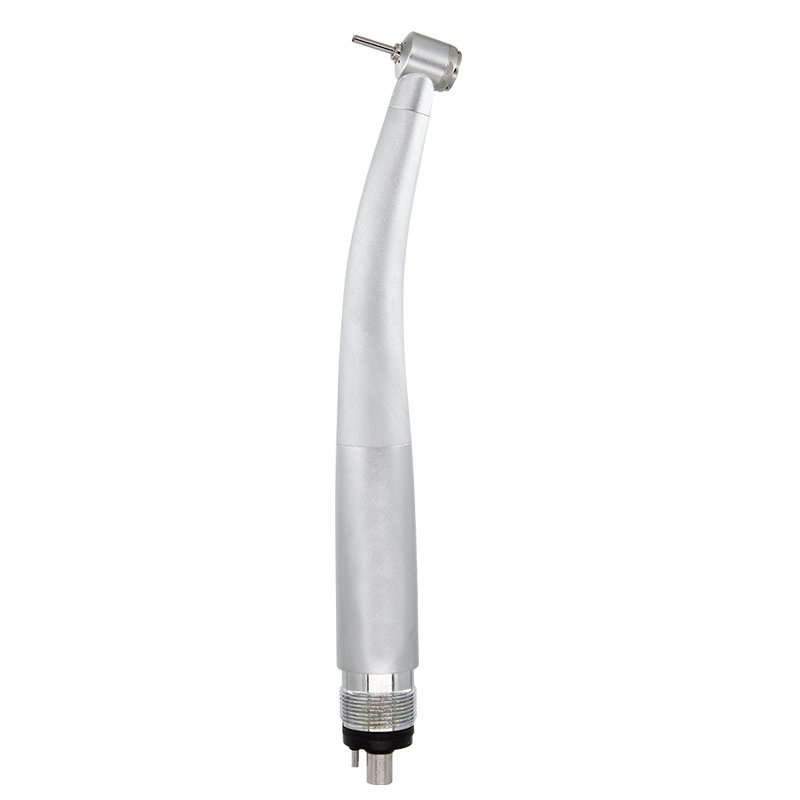
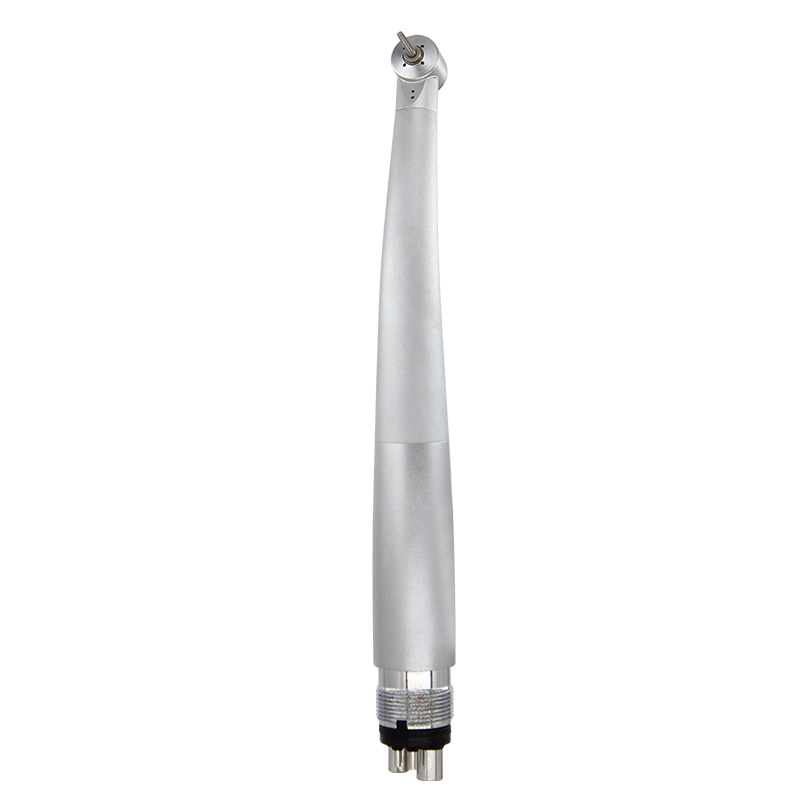
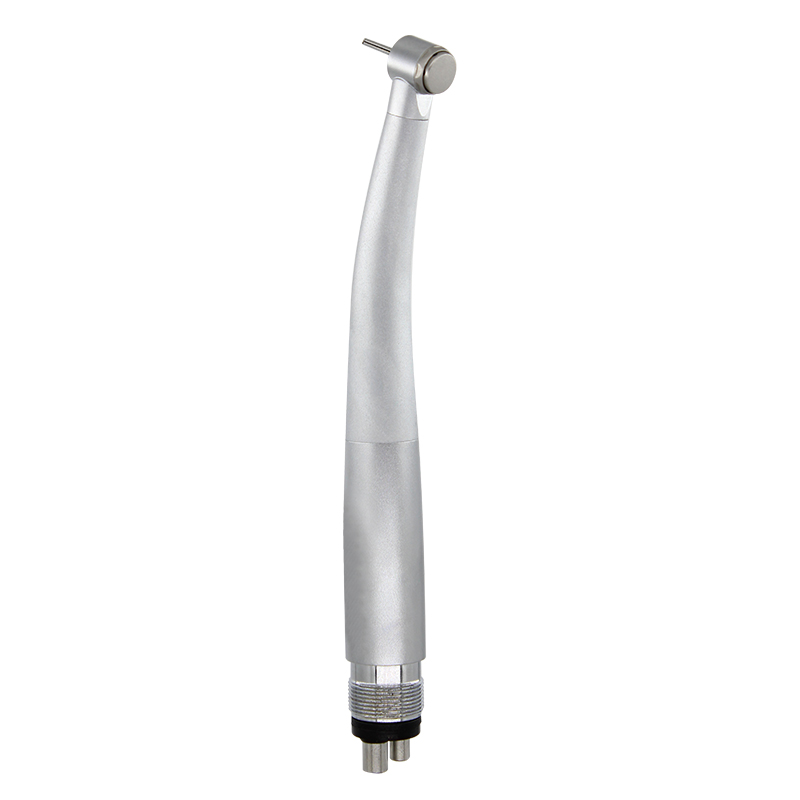
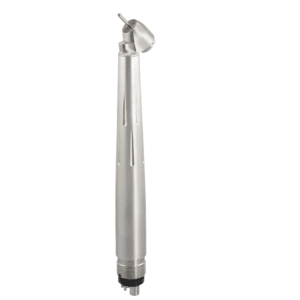
JOSOI Pediatric Anti-Suckback High-Speed Handpiece
描述
JOSOI Pediatric Anti-Suckback High-Speed Handpiece
- Brand: JOSOI — purpose-engineered for pediatric dentistry
- Ultra-compact 8.9mm head diameter for maximum intraoral access in pediatric patients
- Matte sandblast surface finish for superior, fatigue-free grip control
- 4-point anti-suckback system for highest-level infection control in pediatric procedures
- Single-jet water cooling with precision-directed spray
- Push-button bur release for fast, one-handed bur changes
- Available in 2-hole and 4-hole connection interfaces
- Compatible with autoclave sterilization at 135°C
Description
The JOSOI Pediatric Anti-Suckback High-Speed Handpiece is a clinically advanced pediatric dental instrument that combines two critical performance advantages: an ultra-compact 8.9mm head diameter engineered specifically for the dimensional constraints of pediatric oral anatomy, and a 4-point anti-suckback system that provides the highest level of cross-contamination protection available within the JOSOI pediatric range.
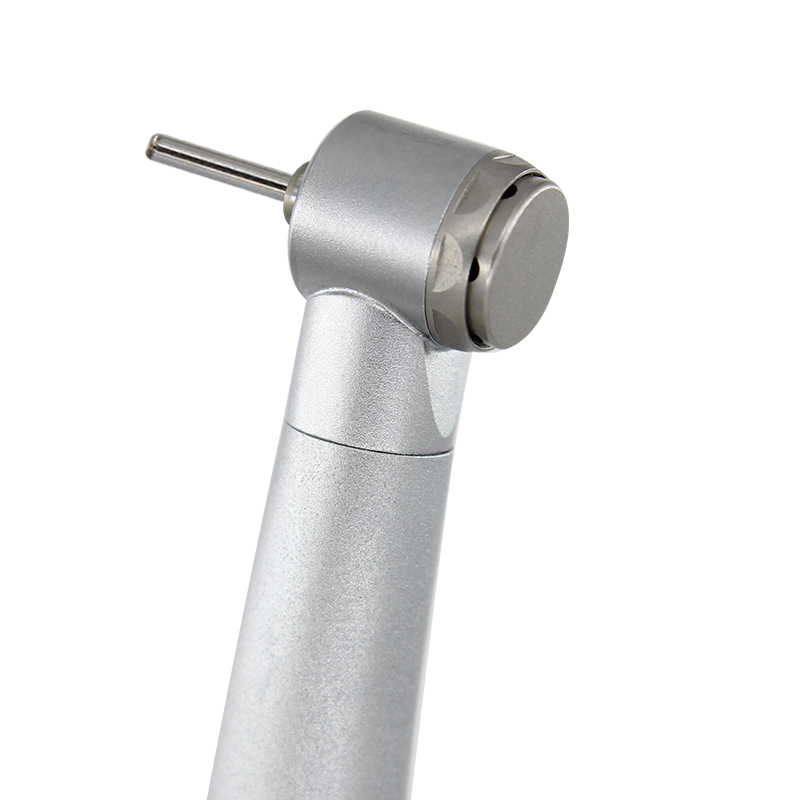
At 8.9mm, the head diameter of this handpiece is significantly smaller than both standard adult handpiece heads and conventional pediatric models, enabling precise bur placement and improved operative visibility in primary dentition preparations where every millimeter of intraoral clearance directly affects procedural accuracy and patient comfort. The matte sandblast surface finish covers the full working body with a uniform, fine-textured surface that provides consistent, non-slip grip security without the fatigue associated with deeply textured patterns during extended pediatric sessions. The 4-point anti-suckback system — deploying four check valves that seal simultaneously when the air supply ceases — provides active protection against retrograde aspiration of oral fluids at every turbine stop, making this the preferred choice for pediatric practice environments where infection control standards are rigorously maintained. Operating at 320,000–350,000 RPM at 0.22–0.25 MPa, the JOSOI Pediatric Anti-Suckback handpiece delivers precision, safety, and control in a single instrument.
Feature
- The 8.9mm head diameter is the defining dimensional specification of this handpiece, providing a measurably smaller intraoral footprint than standard pediatric handpiece heads — improving direct access to primary molars, reducing unintended soft tissue contact, and enabling more precise bur angulation in the confined arch dimensions of growing patients.
- The 4-point anti-suckback system uses four check valves that close simultaneously when forward air pressure ceases, preventing all four potential retrograde fluid pathways from drawing oral contaminants — saliva, blood, and microbial matter — back into the handpiece water and air channels at every turbine deceleration event throughout the clinical day.
- The matte sandblast surface finish creates a uniform, fine-textured surface across the full working body that delivers consistent grip security and tactile feedback without the concentrated pressure points of deeply textured patterns — reducing hand fatigue during multi-procedure pediatric sessions while maintaining secure instrument control when sudden patient movement occurs.
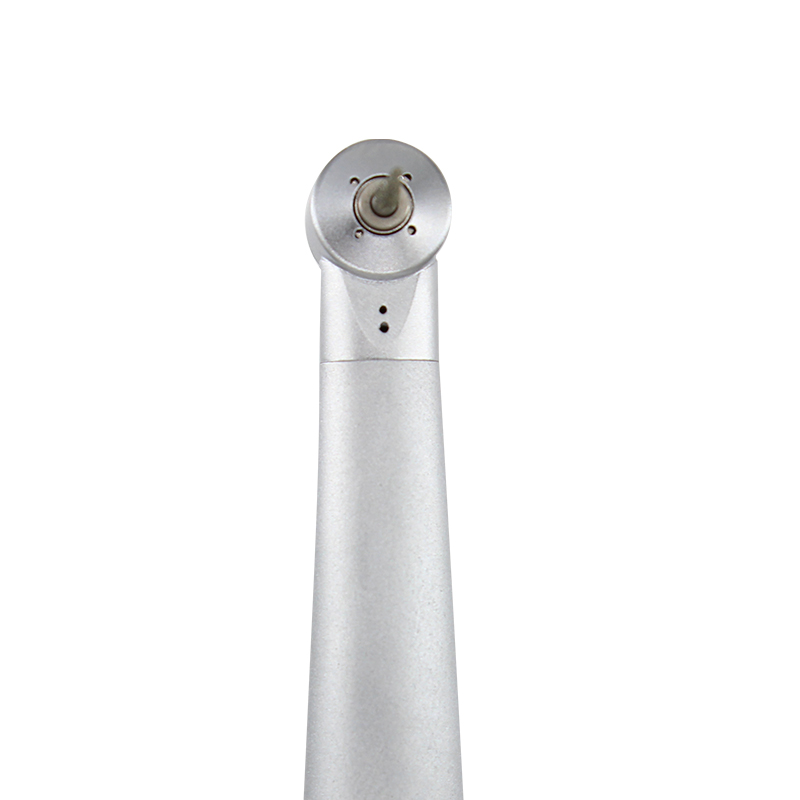
- Single-jet water spray delivers focused, targeted cooling at the bur-tooth interface with controlled water volume, minimizing field flooding in the small oral cavities of pediatric patients and reducing the frequency of expectoration interruptions that disrupt procedural flow.
- The push-button bur release enables fast, tool-free, one-handed bur changes, maintaining procedural pace in high-volume pediatric sessions.
- Compatible with both 2-hole and 4-hole connection standards for broad compatibility with mainstream dental unit interfaces.
JOSOI Pediatric Anti-Suckback High-Speed Handpiece — Specifications
| Parameter | Specification |
|---|---|
| Brand | JOSOI |
| Application | Pediatric Dentistry |
| Head Diameter | 8.9 mm |
| Body Finish | Matte Sandblast |
| Connection | 2-Hole / 4-Hole |
| Body Material | Metal |
| Cooling System | Single-Jet Water Spray |
| Anti-Suckback | 4-Point Anti-Suckback System |
| Bur Chuck | Push-Button Release |
| Working Air Pressure | 0.22 – 0.25 MPa |
| Speed | 320,000 – 350,000 RPM |
| Noise Level | ≤ 60 dB |
| Bur Shank Diameter | Φ 1.595 – 1.600 mm |
| Sterilization | 135°C High-Temperature Autoclave |
Working Principle
The JOSOI Pediatric Anti-Suckback High-Speed Handpiece operates on a pneumatic turbine principle. Compressed air enters through the connection interface at 0.22–0.25 MPa, driving the internal turbine rotor to achieve rotational speeds of 320,000–350,000 RPM, generating the cutting force required for primary tooth preparation across deciduous enamel, dentin, and restorative materials commonly used in pediatric practice.
The 4-point anti-suckback system operates at the moment the foot pedal is released. Four check valves positioned within the handpiece head close simultaneously in response to the loss of forward air pressure, sealing all four internal fluid pathways against retrograde negative pressure. This prevents oral fluids from being aspirated through the bur chuck or around the head seal into the handpiece water and air channel network. The four-valve architecture provides more complete retrograde path coverage than two or three-point configurations, making this the highest-specification anti-suckback option in the JOSOI pediatric range. The single-jet cooling spray delivers precise, controlled water volume to the cutting zone, maintaining pulp thermal protection with minimal field flooding in the compact oral environment of pediatric patients.
Clinical Practice of the JOSOI Pediatric Anti-Suckback High-Speed Handpiece
1. Pre-Operative Setup
- Inspect the handpiece body and 8.9mm head for any visible damage before use; confirm no surface pitting or corrosion on the matte sandblast finish.
- Connect via the 2-hole or 4-hole interface and confirm air pressure is within 0.22–0.25 MPa.
- Install the appropriate pediatric bur using the push-button release and confirm secure chuck engagement.
- Run the handpiece unloaded for 5–10 seconds to verify smooth turbine rotation, cooling spray output, and anti-suckback valve readiness before intraoral use.
2. Intraoperative Management
- The 8.9mm head diameter provides its greatest clinical advantage in confined access situations: first and second primary molar preparations, space maintainer seat modifications, stainless steel crown preparations, and pulpotomy access — all scenarios where the reduced head footprint directly translates into improved bur placement accuracy and reduced patient discomfort from intraoral bulk.
- The 4-point anti-suckback system provides active infection control at every turbine stop throughout the session — this is clinically significant in pediatric procedures where frequent bur changes, multiple brief cutting sequences per tooth, and interrupted procedures create more total turbine deceleration events per session than a typical adult restorative appointment.
- Use the matte sandblast surface to maintain a relaxed, consistent grip — the uniform texture allows grip repositioning along the body without losing security, supporting the natural hand adjustments that occur when managing patient movement.
- Apply controlled, gentle contact pressure throughout preparation; primary teeth have thinner enamel and dentin than permanent teeth and require less cutting force — sustained pressure risks preparation overshoot in the small dimensions of primary dentition.
- Monitor operating noise; normal operation remains ≤60 dB. Bearing-related noise increase is the signal for turbine servicing, not continued use — elevated operating noise is more distressing to pediatric patients and should be addressed before the next session.
3. Post-Operative Maintenance
- Remove the bur immediately after the procedure using the push-button release.
- Run the handpiece for 20–30 seconds to flush water and air lines after each patient. The 4-point anti-suckback system prevents oral fluid aspiration into the handpiece, but upstream dental unit waterline management per infection control guidelines remains a separate requirement.
- Inspect the single-jet spray nozzle for debris or scale accumulation; flush with clean water if output appears reduced.
- Lubricate the handpiece internally per the manufacturer’s protocol before every sterilization cycle.
- Sterilize in a Class B autoclave at 135°C.
- After sterilization, inspect the matte sandblast surface for any changes in texture uniformity or surface integrity before returning to clinical use.
The Function of the JOSOI Pediatric Anti-Suckback High-Speed Handpiece
The JOSOI Pediatric Anti-Suckback High-Speed Handpiece is the most infection-control-focused instrument in the JOSOI pediatric range, combining the dimensional precision of an 8.9mm head with the most comprehensive anti-suckback protection available in a pediatric handpiece configuration.
The 8.9mm head diameter addresses a specific clinical gap. While most pediatric dental handpieces offer smaller head dimensions than adult instruments, the 8.9mm specification represents a measurable step further in miniaturization that has direct procedural consequences. In a primary second molar preparation, an 8.9mm head can be positioned and angled with a degree of precision that a 10mm or 11mm head cannot match in the same intraoral space — affecting both the clinician’s ability to create accurate preparation margins and the patient’s experience of the instrument within their mouth.
The 4-point anti-suckback system is particularly relevant in the pediatric clinical context for an infection-control reason that is often overlooked: pediatric patients generate significantly more saliva relative to oral cavity volume than adult patients, and the oral fluid load at the bur tip during pediatric procedures is therefore proportionally higher. This means the retrograde aspiration risk at each turbine stop — and the volume of fluid that could be aspirated — is greater in pediatric procedures than in equivalent adult procedures. The 4-point system’s more complete valve coverage provides commensurate protection for this elevated risk environment.
The matte sandblast finish rounds out the specification by providing a grip surface suited to the physical demands of pediatric clinical work — secure without being fatiguing, consistent without being aggressive — allowing pediatric practitioners to maintain precise instrument control through full session days without the hand fatigue that deeply textured surfaces can contribute to over time.
Important Notes for Using the JOSOI Pediatric Anti-Suckback High-Speed Handpiece
- Always confirm air supply pressure is within 0.22–0.25 MPa before operation. The 4-point anti-suckback check valves are calibrated for this range; pressure significantly outside it affects both cutting performance and the completeness of valve closure across all four check points.
- Use only burs with a shank diameter of Φ1.595–1.600 mm. In an 8.9mm head, out-of-tolerance burs carry a proportionally higher risk of concentricity error and chuck wear than in larger heads, where dimensional tolerances have more mechanical margin.
- Run the handpiece for 20–30 seconds after each patient use to flush water and air lines. The 4-point anti-suckback system prevents backflow into the handpiece itself, but dental unit waterline management upstream of the handpiece remains a required separate infection control action.
- Do not activate the handpiece without a bur properly installed. An open chuck in a small head compromises the sealed environment that the anti-suckback valve system depends on at the bur entry point — this is more critical in an 8.9mm head where component tolerances are tighter.
- Operate the push-button bur release only after the turbine has fully stopped. Bur changes during spin-down risk chuck damage and create pressure differentials that can stress all four anti-suckback valve seats simultaneously.
- Lubricate before every sterilization cycle without exception. The compact internal geometry of an 8.9mm head concentrates bearing components in a smaller volume; adequate lubrication is essential to maintain bearing alignment and resist corrosion through repeated autoclave cycles.
- Sterilize at 135°C autoclave only. Chemical sterilization agents are incompatible with the metal body and the 4-point anti-suckback valve components; chemical exposure degrades seal integrity and reduces valve closure completeness over time.
- Inspect the matte sandblast surface and head after each sterilization cycle. Surface pitting or corrosion on the small head may indicate seal or material integrity issues; retire the handpiece if structural compromise is detected.
评价
目前还没有评价