
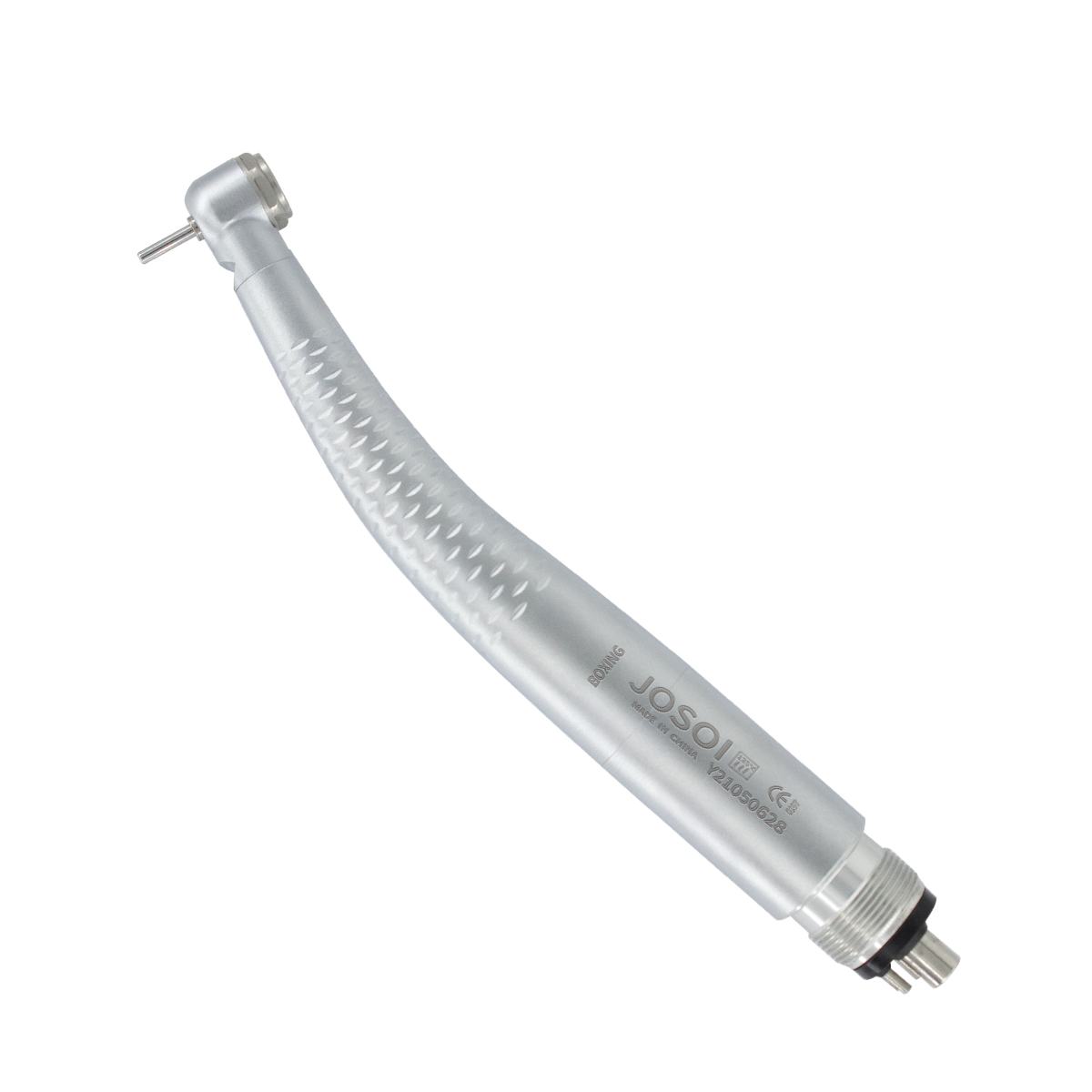
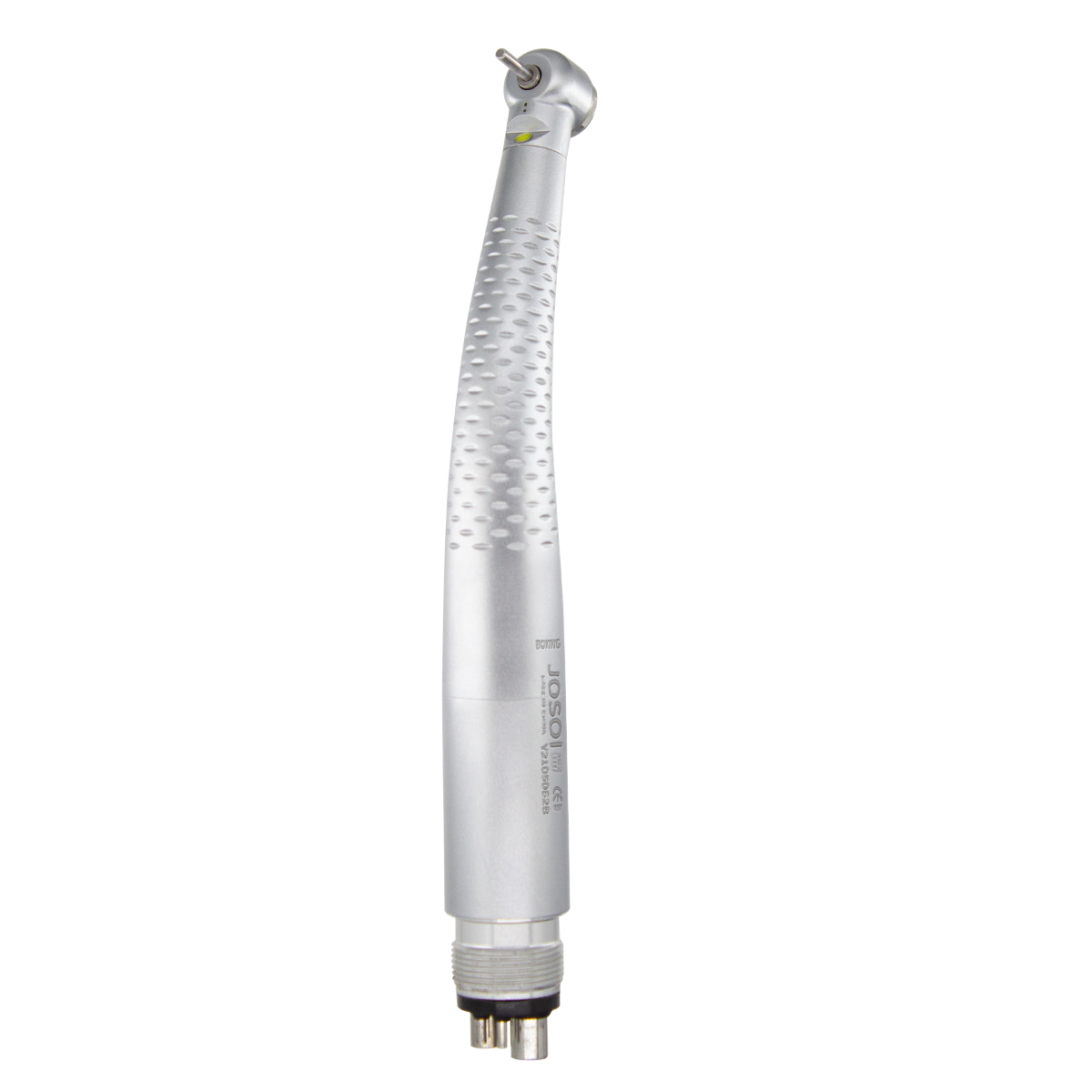
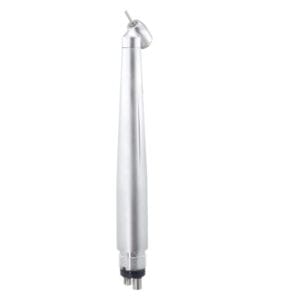
JOSOI Pediatric High-Speed Handpiece
描述
JOSOI Pediatric High-Speed Handpiece
- Purpose-designed for pediatric dentistry — compact head and child-friendly proportions
- Full-coverage dimple grip pattern for maximum anti-slip control in all clinical conditions
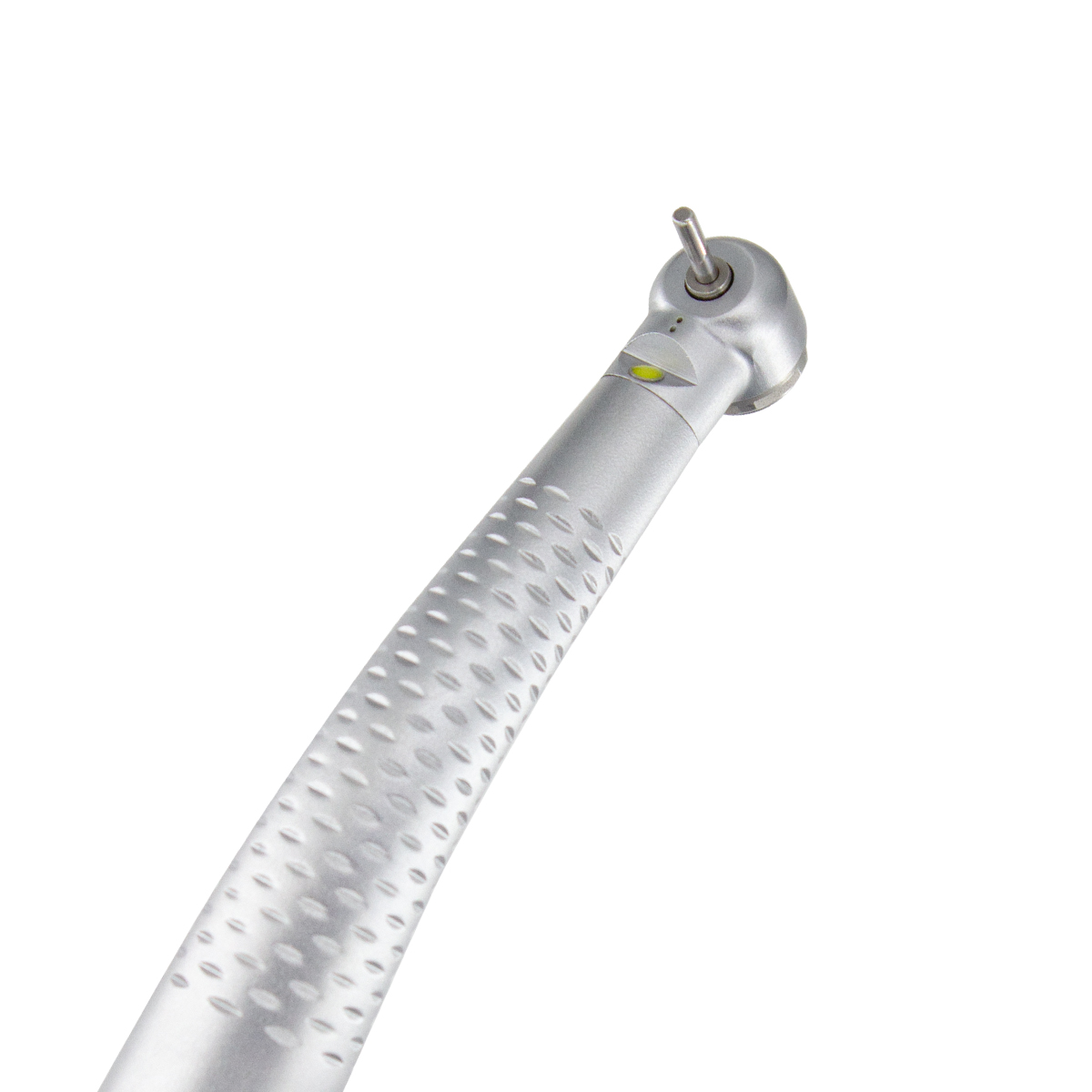
- Built-in LED illumination for enhanced visibility in small oral cavities
- Replaceable cartridge turbine for extended service life and cost-effective maintenance
- Single-jet water cooling with precision-directed spray
- Push-button bur release for fast, one-handed bur changes
- Available in 2-hole and 4-hole connection interfaces
- Compatible with autoclave sterilization at 135°C
Description
The JOSOI Pediatric High-Speed Handpiece is a purpose-engineered dental instrument designed specifically for the demands of pediatric dentistry — where smaller oral cavities, shorter arch dimensions, limited patient cooperation, and the clinical and psychological need for procedural efficiency require a handpiece that performs differently from standard adult instruments.
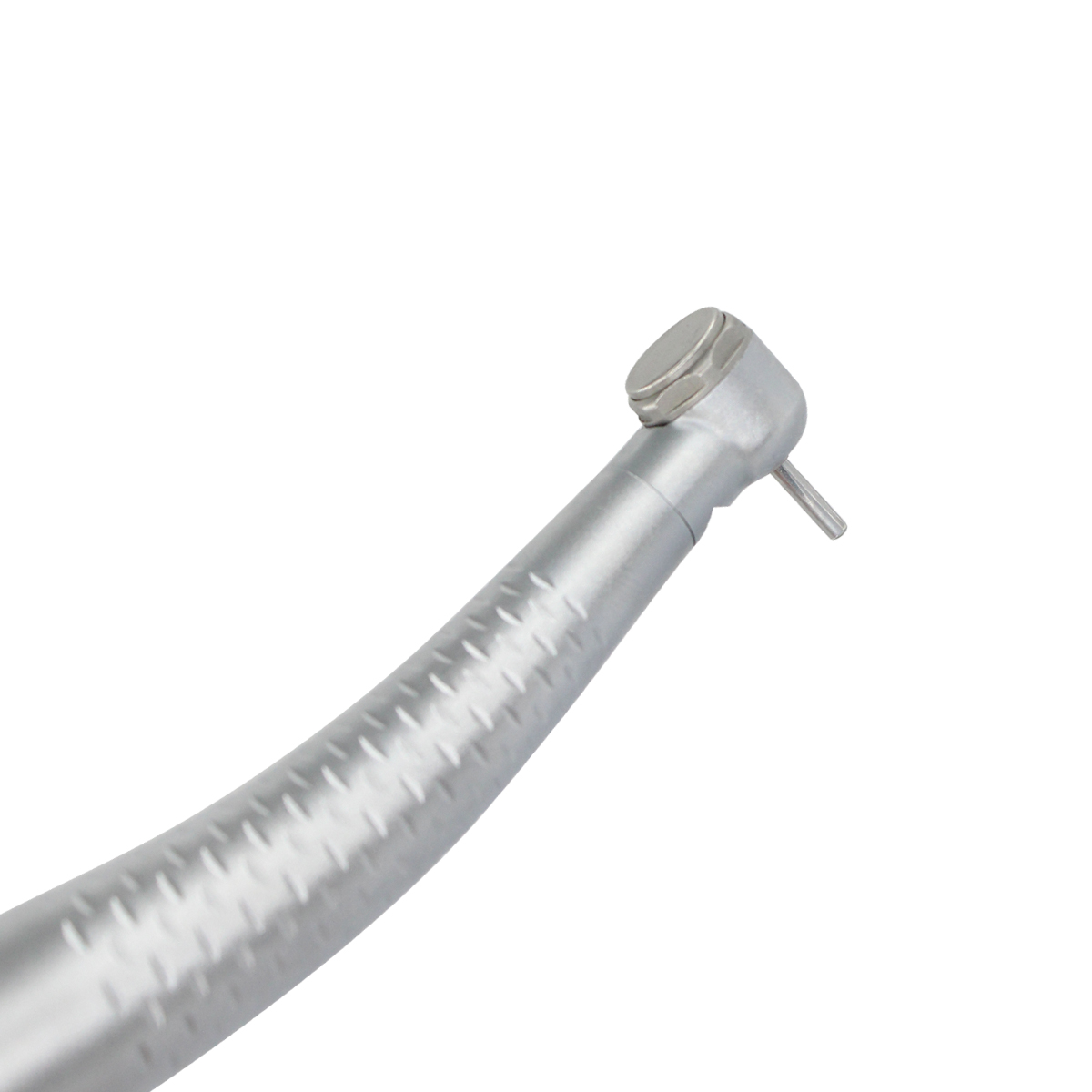
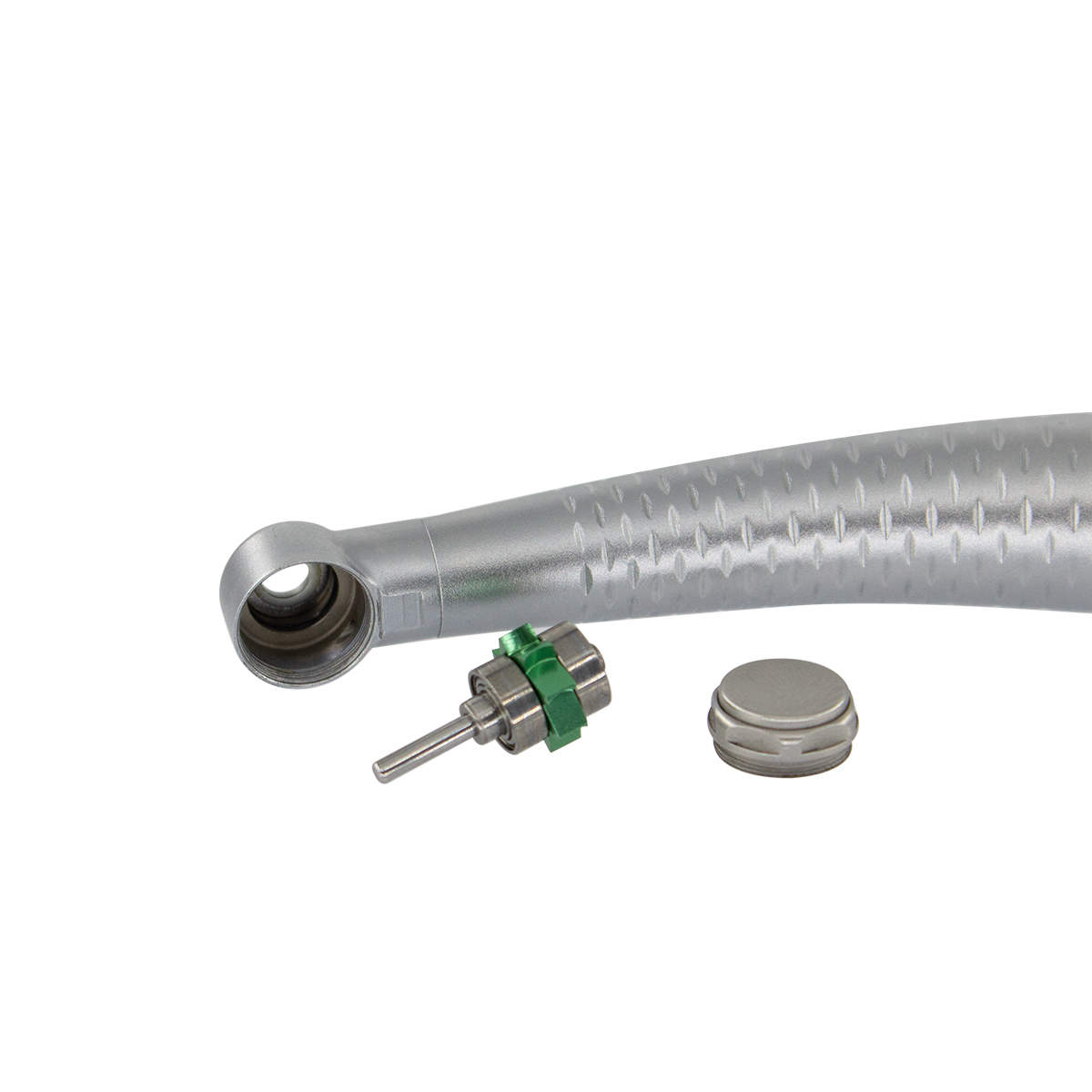
The compact head geometry reduces intraoral bulk and improves maneuverability within the restricted access conditions typical of pediatric patients, including primary dentition procedures, pulpotomies, stainless steel crown preparations, and preventive cavity treatments. The integrated LED light source activates automatically with the air supply, providing bright, consistent illumination at the bur tip that is particularly valuable in small oral fields where overhead lighting is frequently obstructed. The replaceable cartridge turbine — distinctively marked with a green indicator ring as shown in the component images — allows the rotating assembly to be serviced independently of the handpiece body, extending instrument service life in high-volume pediatric practices where handpieces are used intensively. The full-coverage dimple grip pattern, which runs the entire length of the working body, provides exceptional tactile grip security under all clinical conditions. The single-jet water spray delivers targeted cooling at the operative site. Operating at 320,000–350,000 RPM at 0.22–0.25 MPa under the JOSOI brand, this handpiece delivers the clinical performance that pediatric dental teams require.
Feature
- The compact head design is optimized for the smaller oral cavity dimensions of pediatric patients, providing improved access and maneuverability during primary tooth preparations, pulpotomies, stainless steel crown seat preparations, and other procedures where standard adult handpiece head bulk restricts effective bur placement.
- The full-coverage dimple grip pattern covers the entire working length of the handpiece body with a closely spaced array of surface indentations, providing a multi-directional anti-slip texture that maintains secure clinician grip under all conditions — particularly important in pediatric procedures where sudden patient movement requires the clinician to maintain immediate, positive instrument control at all times.
- The integrated LED light source activates automatically with the air supply, placing a focused beam of light directly at the bur tip throughout the procedure — especially critical in pediatric oral fields where small mouth opening and compact arch dimensions create the most light-obstructed operative conditions in routine dental practice.
- The replaceable cartridge turbine — identified by its distinctive green indicator ring — allows the rotor, bearings, and chuck assembly to be removed and replaced as a single precision unit when wear is detected, restoring factory-level cutting performance without retiring the handpiece body and reducing the per-procedure cost of maintaining a high-performance pediatric handpiece fleet.
- Single-jet water spray delivers focused, targeted cooling at the bur-tooth interface, providing effective heat dissipation with controlled water volume that avoids excessive field flooding — an important consideration in pediatric patients where water management and patient comfort are more challenging to maintain.
- Compatible with both 2-hole and 4-hole connection standards for broad compatibility with mainstream dental unit interfaces.
JOSOI Pediatric High-Speed Handpiece — Specifications
| Parameter | Specification |
|---|---|
| Brand | JOSOI |
| Application | Pediatric Dentistry |
| Body Pattern | Full-Coverage Dimple Grip |
| Connection | 2-Hole / 4-Hole |
| Body Material | Metal |
| Cooling System | Single-Jet Water Spray |
| Illumination | Built-in LED |
| Turbine | Replaceable Cartridge (Green) |
| Bur Chuck | Push-Button Release |
| Working Air Pressure | 0.22 – 0.25 MPa |
| Speed | 320,000 – 350,000 RPM |
| Noise Level | ≤ 60 dB |
| Bur Shank Diameter | Φ 1.595 – 1.600 mm |
| Sterilization | 135°C High-Temperature Autoclave |
Working Principle
The JOSOI Pediatric High-Speed Handpiece operates on a pneumatic turbine principle. Compressed air enters through the connection interface at 0.22–0.25 MPa, driving the replaceable cartridge turbine rotor to achieve rotational speeds of 320,000–350,000 RPM. The green-ringed cartridge design encapsulates the rotor, precision bearings, and push-button chuck as a self-contained assembly that can be extracted and replaced independently when bearing wear or chuck performance degradation is detected — without requiring full handpiece replacement.
The LED circuit activates with the air supply, directing a focused beam of light to the bur tip for the full duration of the operative cycle. In the compact oral environment of a pediatric patient, where the handpiece head occupies a proportionally larger share of the visual field relative to the operative site, direct-source LED illumination at the instrument tip is more consistently effective than reliance on external overhead lighting. The single-jet cooling spray delivers precise, controlled water volume to the cutting zone, maintaining pulp thermal protection while minimizing the total water volume introduced into the small oral cavity — reducing the frequency of expectoration breaks and the associated procedural disruption that is particularly significant when managing anxious pediatric patients.
Clinical Practice of the JOSOI Pediatric High-Speed Handpiece
1. Pre-Operative Setup
- Inspect the handpiece body, LED lens, and cartridge cap before use; confirm the green cartridge is correctly seated and the cap is secure.
- Connect via the 2-hole or 4-hole interface and confirm air pressure is within 0.22–0.25 MPa.
- Install the appropriate pediatric bur using the push-button release and confirm secure chuck engagement.
- Run the handpiece unloaded for 5–10 seconds to verify smooth turbine rotation, LED output, and cooling spray function before intraoral use.
- For anxious pediatric patients, briefly demonstrate the handpiece outside the mouth with the LED activated — the light source can serve as a distraction and familiarity tool during tell-show-do behavior management.
2. Intraoperative Management
- Rely on the LED illumination to maintain continuous operative field visibility throughout the procedure; in a pediatric patient, the combination of small mouth opening, compact arch, and patient movement makes overhead lighting unreliable as a sole source.
- The full-coverage dimple grip provides immediate tactile feedback that the handpiece is securely held — in pediatric procedures, grip security is a safety factor as well as a comfort factor, as unexpected patient movement requires the clinician to maintain positive instrument control without hesitation.
- Use controlled, intermittent contact with minimal pressure; pediatric primary teeth have thinner enamel and dentin than adult teeth, requiring less cutting force and more conservative bur engagement throughout preparation.
- Monitor the single-jet spray volume relative to patient tolerance; adjust handpiece positioning to direct spray efficiently away from the airway and toward the suction tip at all times.
- Monitor operating noise; normal operation should remain ≤60 dB. Increased turbine noise — particularly the higher-pitched sound of worn bearings — is more distressing to pediatric patients than adult patients and should be addressed by prompt cartridge replacement.
3. Post-Operative Maintenance
- Remove the bur immediately after the procedure using the push-button release.
- Run the handpiece for 20–30 seconds to flush water and air lines after each patient use.
- Inspect the LED lens and all spray nozzles; clean the lens gently with a soft cloth and flush the nozzle if output is reduced.
- Lubricate the cartridge per the manufacturer’s protocol before every sterilization cycle. The green cartridge’s bearing assembly requires independent lubrication before each autoclave cycle.
- Sterilize in a Class B autoclave at 135°C.
- Monitor cartridge performance across sessions; replace the green cartridge when operating noise increases, vibration is detected, or bur concentricity degrades — green cartridge color serves as a visual identification aid during multi-handpiece tray management and sterilization sorting.
The Function of the JOSOI Pediatric High-Speed Handpiece
The JOSOI Pediatric High-Speed Handpiece addresses the specific and often underserved clinical requirements of pediatric dentistry, where standard adult handpieces present a series of practical challenges that affect both procedural outcome and patient experience.
In a primary dentition procedure, the head of a standard adult handpiece occupies a disproportionately large volume relative to the size of the tooth being prepared. This reduces the clinician’s direct line of sight to the operative site, increases the difficulty of precise bur placement, and can trigger a gag reflex or discomfort in the child through unnecessary intraoral bulk. The JOSOI’s compact head geometry reduces all of these effects, improving both clinician precision and patient tolerance simultaneously.
The full-coverage dimple grip is a safety-driven design choice. In pediatric dentistry, the risk of sudden, unpredictable patient movement during an active procedure is significantly higher than in adult dentistry. A handpiece that can be gripped immediately and securely from any point along the body — which the dimple pattern enables through its 360-degree coverage — gives the clinician a meaningful safety margin when rapid instrument stabilization is required.
The replaceable green cartridge extends service life in a clinical context where high session volumes, frequent sterilization cycles, and the additional mechanical stress of operating in restricted access conditions can accelerate bearing wear compared to adult handpiece use patterns. By replacing only the cartridge rather than the entire instrument, pediatric practices can maintain a consistent, high-performance handpiece fleet at a substantially lower per-instrument cost.
Important Notes for Using the JOSOI Pediatric High-Speed Handpiece
- Always confirm air supply pressure is within 0.22–0.25 MPa. Both the cartridge turbine performance and LED circuit activation are calibrated for this range; pressure outside it affects both systems.
- Use only burs with a shank diameter of Φ1.595–1.600 mm. In pediatric procedures, out-of-tolerance burs not only risk chuck damage but also compromise the precision of bur placement in small tooth preparations where margin accuracy is critical.
- Monitor cartridge condition carefully between sessions. The green cartridge is the primary service component of this handpiece — increased noise, vibration, or reduced concentricity are the signals for replacement, not continued use. Worn cartridges in pediatric procedures pose an elevated safety risk due to the unpredictability of patient cooperation.
- Always confirm the green cartridge cap is fully secured before intraoral use. An improperly seated cap can loosen under operating air pressure, particularly during the head movements that occur in uncooperative pediatric patients.
- Lubricate the cartridge before every sterilization cycle. Inadequate lubrication is the leading cause of premature cartridge failure; in high-volume pediatric practices with intensive daily use, this is especially critical.
- Sterilize at 135°C autoclave only. Chemical sterilization agents are incompatible with the LED assembly, cartridge seals, and metal body; chemical exposure degrades all three components.
- Clean the LED lens gently with a soft cloth after each sterilization cycle. Debris or scale accumulation on the lens reduces light output, which is particularly clinically significant in pediatric procedures where the operative field is already light-restricted.
- Inspect the handpiece body and cartridge cap after each sterilization cycle for surface damage, corrosion, or cap deformation. A damaged or loose cap requires immediate attention before the handpiece is returned to clinical use.
评价
目前还没有评价