
Disposable Surgical Suction Tip — Tapered High-Volume Evacuation Tube for Oral Surgery
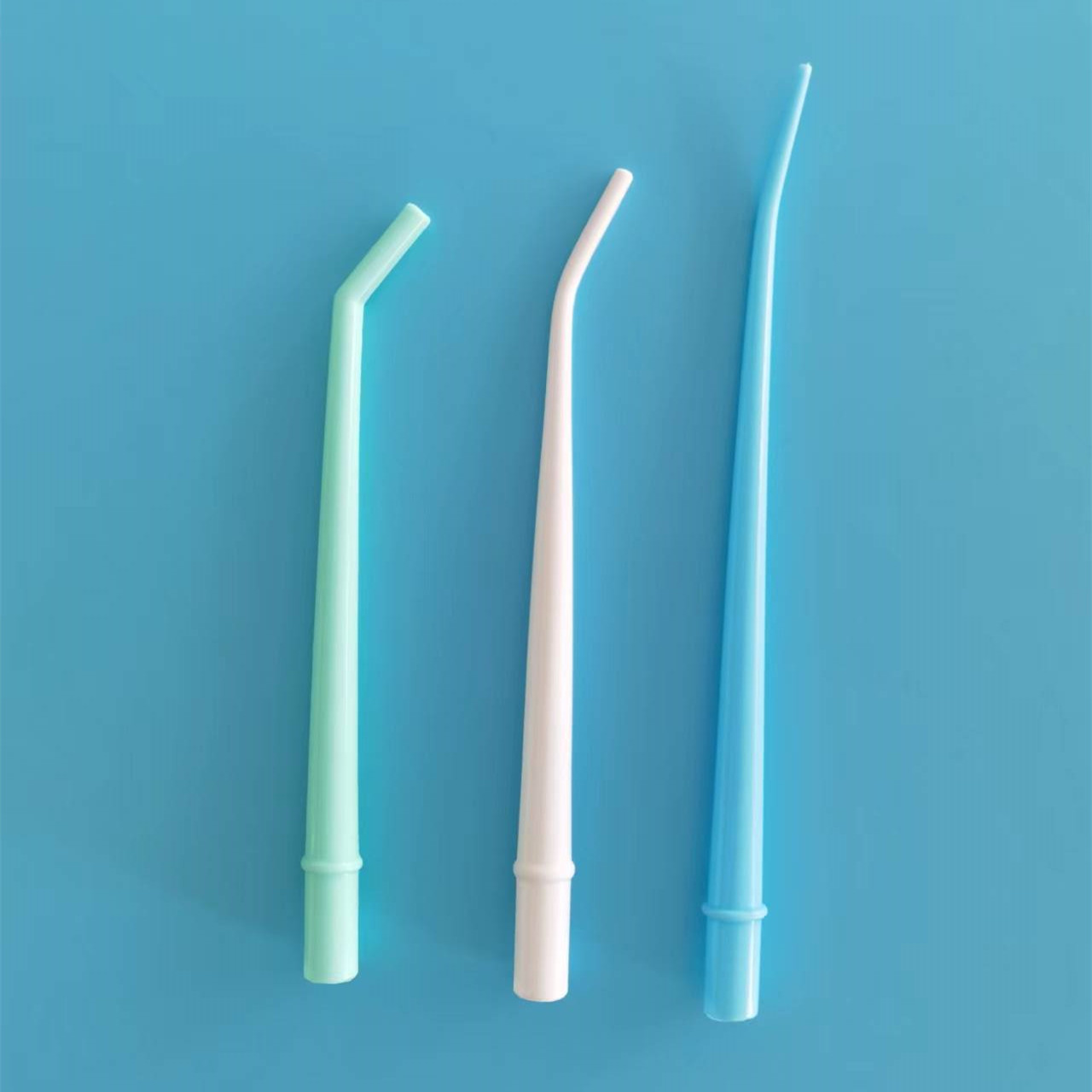
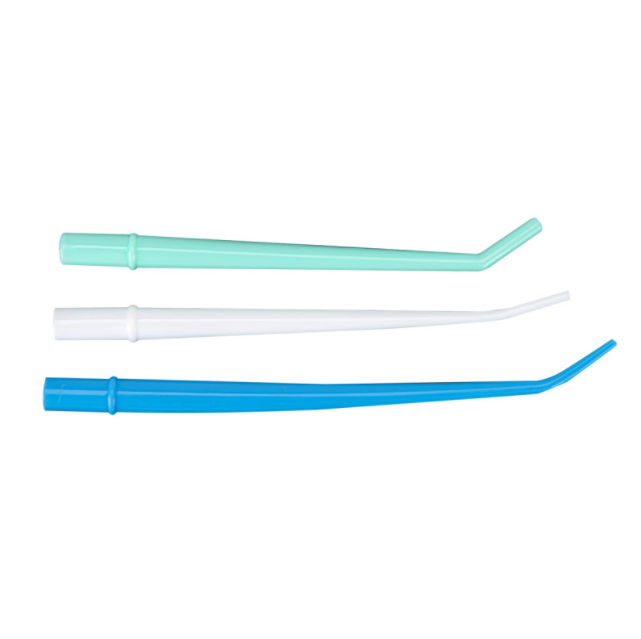
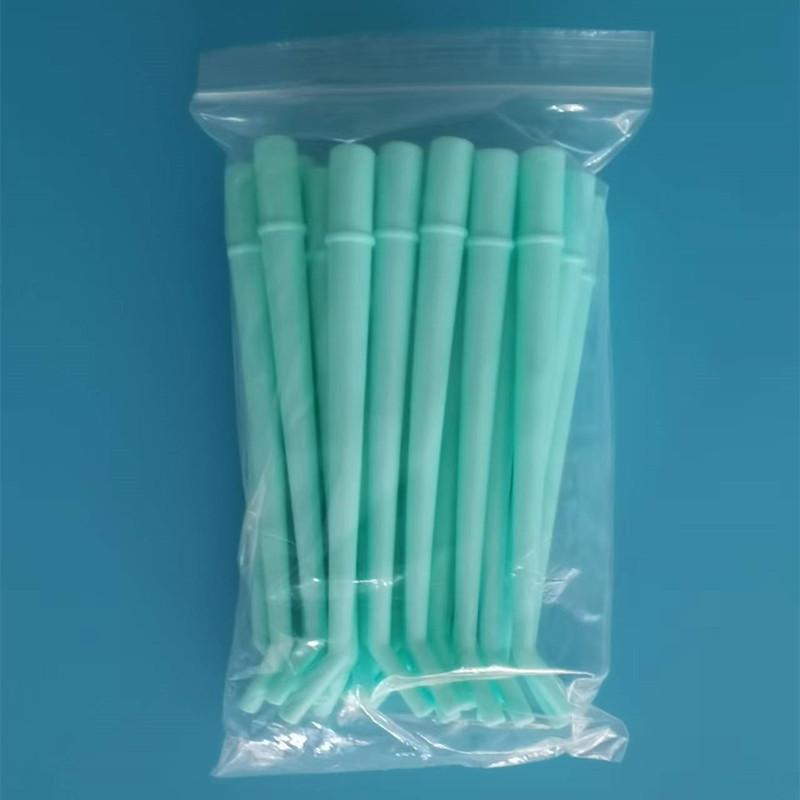
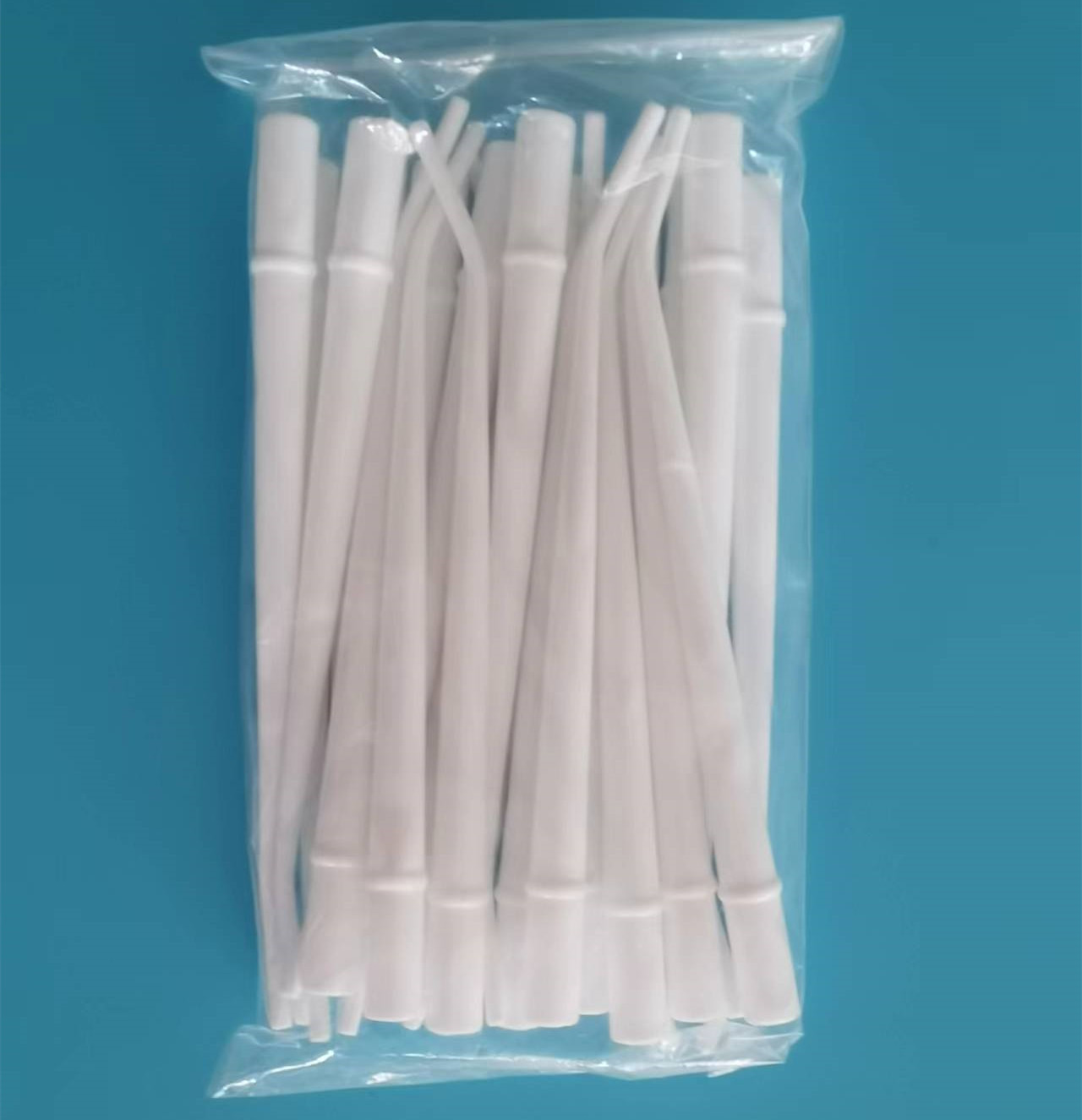
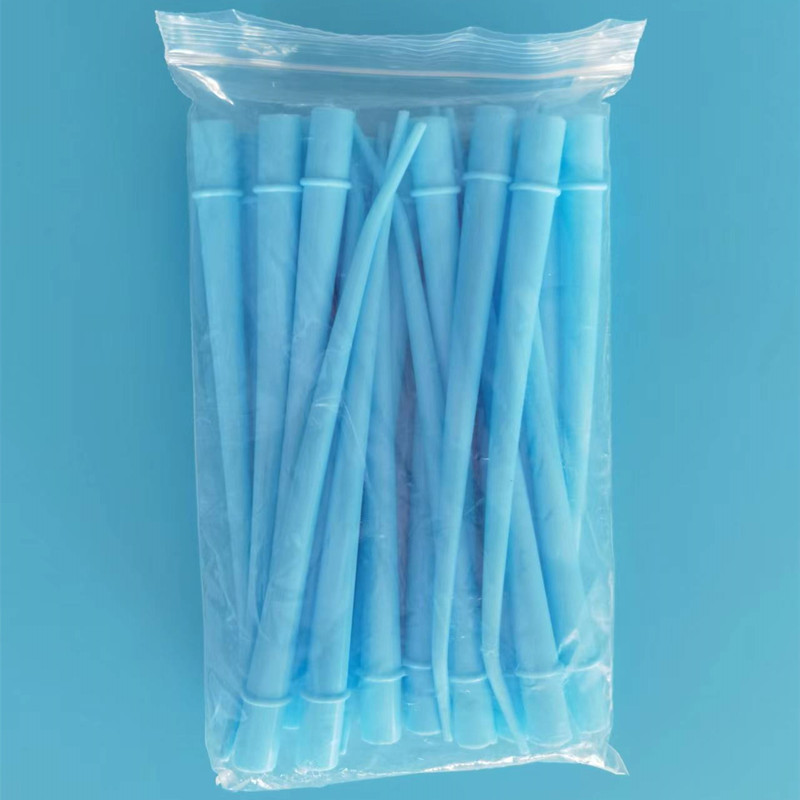
Source the Disposable Surgical Suction Tip, with 3 colors, green, white and blue.
描述
Disposable Surgical Suction Tip — Tapered High-Volume Evacuation Tube for Oral Surgery
- Single-use rigid plastic surgical suction tip designed for high-volume fluid and debris evacuation during oral surgical procedures via connection to the dental unit high-volume suction line
- Tapered body profile — widest at the proximal connector end, tapering to a fine distal tip — enabling directed suction access to deep surgical sites, narrow extraction sockets, and restricted posterior surgical zones
- Available in three body formats: short-angle bent tip (green), medium-curve bent tip (white), and long straight-taper tip (blue) — covering the full range of surgical access geometries from shallow anterior extractions to deep posterior implant osteotomies
- Smooth, fine-taper distal end for atraumatic tissue contact and precise suction placement at the surgical field margin without broad soft tissue displacement
- Ribbed snap-fit proximal connector for secure, tool-free attachment to standard dental unit high-volume suction line fittings
- Available in white, blue (light blue), and green — color-coded by tip geometry for immediate chairside identification
- Supplied in bulk resealable polybags (per color/geometry) for clean, organized surgical setup access
- Single-use design eliminates cross-contamination risk between patients
- Shelf life: 5 years
Details
The Disposable Surgical Suction Tip is a single-use rigid plastic high-volume evacuation tube with a tapered body geometry, designed specifically for use during oral surgical procedures — including extractions, implant osteotomies, bone grafting, flap surgeries, and other procedures requiring directed, precise suction placement at a defined point within the surgical field rather than broad-area evacuation from the floor of the mouth.
The defining characteristic of the surgical suction tip, as visible across the product images, is its tapered body: the tube tapers progressively from a wider proximal body at the suction line connector down to a fine, narrow distal tip. This tapering geometry serves two distinct clinical functions. First, it reduces the cross-sectional diameter of the tip at the point of surgical field contact — enabling the tip to be placed at the margin of an extraction socket, adjacent to a flap edge, or within the confines of a narrow osteotomy site without displacing surrounding soft tissue or obstructing the operator’s direct view of the surgical target. Second, it concentrates the suction effect at the fine distal opening, enabling the clinician or assistant to direct suction to a specific accumulation point within the surgical field with precision not achievable with the broad open tip of a standard French-style aspirator.
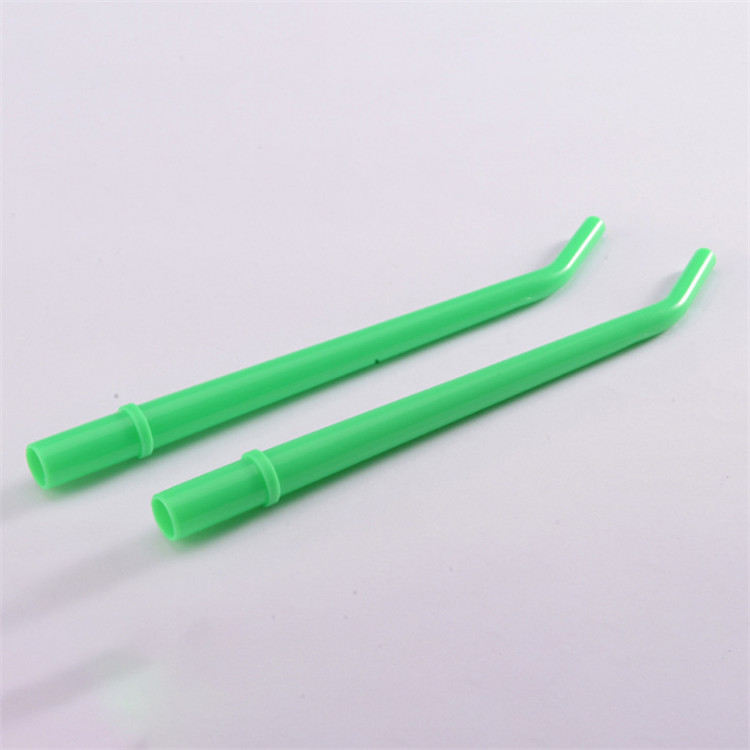
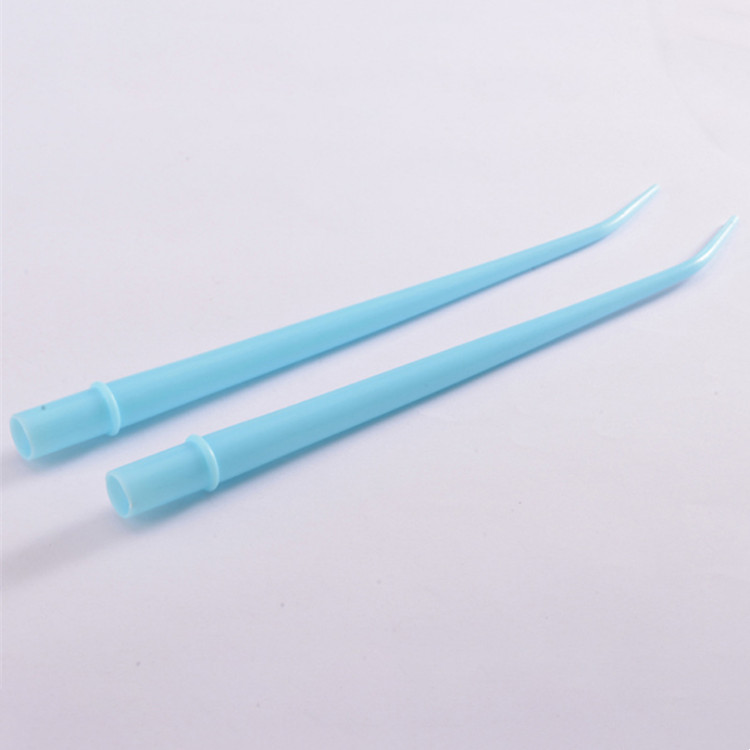
As shown in the product images, the tip is available in three distinct body formats differentiated by color: the green short-angle bent format with a sharp distal bend for anterior and shallow surgical access; the white medium-curve format with a gentle arc suited to general surgical suction positioning across multiple quadrants; and the blue long straight-taper format for deep posterior implant sites, vertical extractions, and narrow socket access. All three formats use the same ribbed snap-fit proximal connector and are supplied in resealable bulk polybags by color.
Feature
- The tapered body profile concentrates the suction opening to a fine distal tip diameter that can be placed within the confines of a narrow extraction socket, an implant osteotomy, or immediately adjacent to a flap edge without displacing the flap or surrounding soft tissue — enabling the assistant to maintain active suction at the exact point of surgical fluid accumulation without obstructing the operator’s instrument access or line of sight to the surgical site.
- The short-angle green tip variant, with its sharp distal bend close to the tip end, provides directed access to the floor of anterior extraction sockets and shallow surgical sites in the anterior maxilla and mandible where a long-body tip would extend too far into the oral cavity and a straight tip would require an uncomfortable approach angle — the short bend redirects the suction opening toward the socket floor from a compact approach geometry.
- The medium-curve white tip variant provides a gentle arc along the full distal body that follows the natural intraoral curve from the commissure toward the posterior quadrant — enabling the assistant to position the tip along the lingual or buccal aspect of the surgical site with a natural handpiece-style grip on the broader proximal body, maintaining suction at the surgical field margin throughout extended procedures without requiring repeated repositioning.
- The long straight-taper blue tip variant provides the greatest reach of the three formats, tapering to a fine tip over a longer body length suited to deep posterior implant osteotomy sites, vertical impaction extractions in the mandibular posterior region, and other deep surgical access zones where the suction tip must extend past the commissure and along the buccal corridor to reach the surgical site without the assistant’s hand obstructing the operator’s access from the opposite side.
- The fine tapered distal tip produces a focused suction effect at its opening that efficiently evacuates blood and irrigant accumulating at a specific point — a bleeding vessel margin, an irrigant pooling zone at an osteotomy base, or the mesial aspect of a socket — without the broad-field suction dispersal of a large open-bore tip that dilutes suction effectiveness across a wider area than the immediate accumulation zone.
- The ribbed snap-fit proximal connector engages the dental unit high-volume suction line fitting with axial insertion and positive snap engagement, providing a sealed, secure connection that maintains full suction capacity through the tapered tip body without air leakage at the interface during the extended suction durations required in surgical procedures.
- Color-coding by tip geometry — green for short-angle, white for medium-curve, blue for long straight-taper — enables the scrub assistant or circulating nurse to identify and present the correct tip geometry to the surgical setup without label reading, reducing preparation time and the risk of incorrect tip selection during time-sensitive intraoperative instrument changes.
Surgical Suction Tip — Specifications
| Parameter | Specification |
|---|---|
| Product Name | Disposable Surgical Suction Tip |
| Body Profile | Tapered (Wide Proximal → Fine Distal Tip) |
| Material | Rigid Plastic (PP) |
| Tip Formats | Short-Angle Bent (Green); Medium-Curve Bent (White); Long Straight-Taper (Blue) |
| Proximal Connector | Ribbed Snap-Fit |
| Connection | Standard Dental Unit High-Volume Suction Line |
| Available Colors | Green, White, Blue (Light Blue) |
| Packaging | Bulk Resealable Polybag (per color/geometry) |
| Use | Single-Use |
| Primary Application | Directed high-volume evacuation during extractions, implant osteotomy, flap surgery, bone grafting |
| Storage | Clean, dry, well-ventilated place |
| Shelf Life | 5 Years |
Working Principle
The Surgical Suction Tip connects to the high-volume suction line of the dental treatment unit via its ribbed snap-fit proximal connector, transmitting the negative pressure of the dental unit vacuum system through the tapered plastic body to the fine opening at the distal tip. The progressive taper of the body from proximal to distal concentrates the cross-sectional area of the suction pathway at the tip end — the negative pressure gradient at the tip opening is effectively higher per unit area than at the proximal connector due to the reduced cross-sectional area, producing a focused suction effect at the tip that efficiently draws fluid from a small, defined accumulation zone into the evacuation pathway.
The three tip geometry variants direct this focused distal suction effect at different approach angles relative to the proximal connector axis. The short-angle green tip achieves a rapid angular redirection of the suction opening close to the distal end — the suction vector at the tip opening is approximately perpendicular to the proximal body axis, directing suction toward the socket floor or buccal soft tissue surface from a compact approach geometry that keeps the broad proximal body outside the oral cavity. The medium-curve white tip achieves a gradual arc across the distal body length — the suction vector at the tip opening is oriented at an intermediate angle that positions the tip along the lingual or buccal aspect of the posterior surgical site from a comfortable lateral approach. The long straight-taper blue tip maintains the axis of the proximal body through the full taper to the distal opening, directing suction straight ahead along the approach axis — maximizing reach depth along the buccal corridor for posterior and deep surgical access.
Clinical Practice of the Disposable Surgical Suction Tip
1. Pre-Procedure Setup
- Select the appropriate tip geometry before the surgical procedure: short-angle green for anterior and shallow surgical sites; medium-curve white for general surgical quadrant access and multi-quadrant procedures; long straight-taper blue for deep posterior osteotomies, impacted third molar extractions, and extended-reach posterior access.
- Connect the proximal connector to the high-volume suction line by axial insertion until the snap engagement is felt; apply light axial traction to confirm secure connection before activating suction.
- Test suction output through the fine distal tip before the procedure begins: hold the tip near the back of the gloved hand and confirm perceptible suction at the fine tip opening. A weak or absent suction at the fine tip may indicate a suction line pressure issue or a connector air leak that should be resolved before the surgical procedure begins.
- Prepare a backup tip of the same geometry on the bracket table or back table before the procedure begins; have a replacement immediately accessible in the event of tip contamination, displacement, or occlusion requiring replacement without interrupting the surgical procedure.
2. Intraoperative Management
- Position the fine distal tip at the specific accumulation point within the surgical field — the dependent zone of an extraction socket, the irrigant exit point of an osteotomy, or the inferior aspect of a flap reflection — rather than holding the tip broadly over the general surgical area; the tapered tip is designed for directed placement, and positioning it away from the specific accumulation point reduces suction effectiveness.
- During copious saline irrigation of an osteotomy or socket, position the tip at the irrigant pooling zone immediately adjacent to the site and maintain its position throughout the irrigation sequence; the fine tip evacuates irrigant continuously as it is delivered, preventing fluid from accumulating and obscuring the surgical site between irrigation events.
- For bleeding management, position the tip immediately adjacent to the bleeding point and apply brief, directed suction contact at the tissue margin; avoid sustained direct tissue suction at the bleeding source for extended duration — sustained direct vessel suction can disrupt the hemostatic response at the vessel opening.
- During implant osteotomy, use the long straight-taper blue tip to evacuate bone chips, irrigant, and debris from the osteotomy approach corridor; the narrow distal taper accesses the buccal corridor adjacent to the drill without obstructing drill insertion or withdrawal.
- Coordinate tip repositioning with instrument changes; alert the operator before withdrawing the tip from its established position to reposition during a phase change in the procedure, as loss of active suction at the surgical site during instrument transitions can allow rapid fluid accumulation that obscures the field before the next instrument is positioned.
3. Post-Procedure Removal and Disposal
- Remove the tip from the suction line by pulling the proximal connector axially away from the suction line fitting after the procedure.
- Run the suction line briefly after tip removal to flush residual surgical fluid from the line before the next patient connection.
- Discard immediately after each patient use; single-use only. Do not reuse, re-sterilize, or re-disinfect.
- Dispose of used surgical tips in compliance with local clinical waste regulations for single-use items with blood and surgical tissue contact.
The Function of the Disposable Surgical Suction Tip
The Surgical Suction Tip addresses the directed precision suction requirement specific to oral surgical procedures — a requirement that neither the standard low-volume saliva ejector nor the broad-bore French-style aspirator fully satisfies in the surgical context. The saliva ejector lacks the suction capacity for surgical fluid volumes; the French-style aspirator provides the suction capacity but with a broad open tip that cannot be placed at a specific point within a narrow surgical site without displacing surrounding tissue and obstructing instrument access.
The surgical suction tip resolves this gap by combining adequate suction capacity with a tapered body geometry that reduces the distal tip diameter to a point compatible with placement inside extraction sockets, along osteotomy corridors, and at flap margins without tissue displacement or instrument obstruction. The fine tip enables the assistant to maintain active suction at the exact point of surgical fluid generation — rather than in the floor of the mouth some distance from the site — providing the clear operative field that is directly necessary for surgical precision, particularly during high-speed instrumentation where visual clarity at the cutting zone determines preparation accuracy and tissue safety.
The three geometry variants address the access diversity of oral surgical practice without requiring the clinician to adapt a single tip format to incompatible access requirements. Anterior extractions, posterior implant placements, and full-arch flap procedures represent three distinct access geometries that benefit from three distinct tip angle and reach configurations — the short-angle, medium-curve, and long straight-taper formats respectively. Supplying all three in a single product line with color-coded identification allows the surgical team to select the appropriate geometry for each procedure without searching through unlabeled inventory or improvising with an inappropriate tip format, maintaining surgical setup efficiency and procedural quality across the full range of oral surgical applications.
Important Notes for Using the Disposable Surgical Suction Tip
- For professional oral surgical use only. This product is intended for use by or under the direct supervision of licensed dental surgeons and oral surgery professionals; it is not indicated for general dental procedures where lower suction capacity instruments are appropriate.
- Select the correct tip geometry for the procedure before beginning. Using the wrong geometry — particularly using the short-angle tip for deep posterior access or the long straight-taper tip for shallow anterior sites — reduces directed suction effectiveness and may require intraoperative tip changes that interrupt the surgical workflow. Confirm tip geometry selection at setup.
- Confirm snap-fit connection security before activating suction. Surgical high-volume suction creates significant negative pressure at the proximal connector; a partially engaged connector may disengage under sustained suction load. Verify secure connection by applying axial traction before the procedure begins.
- Do not apply sustained direct tip contact to active bleeding vessels or wound surfaces for extended duration. Brief directed suction for blood and debris removal is appropriate; sustained direct tissue suction can mechanically disrupt hemostatic clot formation and aspirate wound tissue, increasing intraoperative bleeding and post-operative complication risk.
- Monitor suction flow during the procedure. A reduction in suction output at the fine tip during active use — audible as a change in suction tone or visible as fluid accumulation despite active positioning — indicates partial tip occlusion from tissue contact or debris. Brief tip withdrawal and repositioning restores flow; do not increase suction line pressure beyond the dental unit’s standard surgical range.
- Single-use only. Destroy after use. Do not reuse, re-sterilize, or re-disinfect. Surgical suction tips have direct blood and surgical tissue contact throughout the procedure; reuse creates a direct cross-contamination pathway between patients regardless of reprocessing method.
- Dispose of used surgical tips in compliance with local clinical waste regulations for single-use items with blood and surgical tissue contact.
- Do not use tips beyond the 5-year shelf life. Store in a clean, dry, well-ventilated location away from heat and direct sunlight; reseal polybags between uses to protect remaining tips from operatory environment contamination.
评价
目前还没有评价