
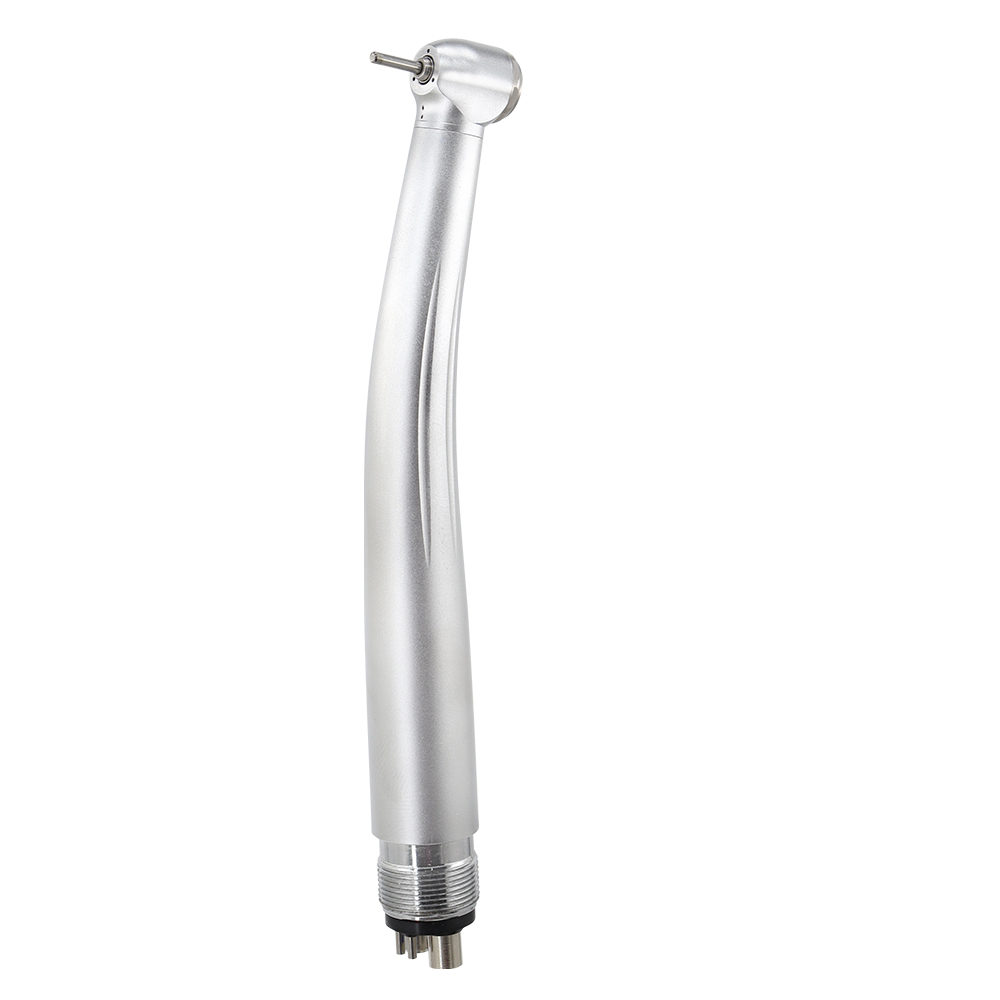
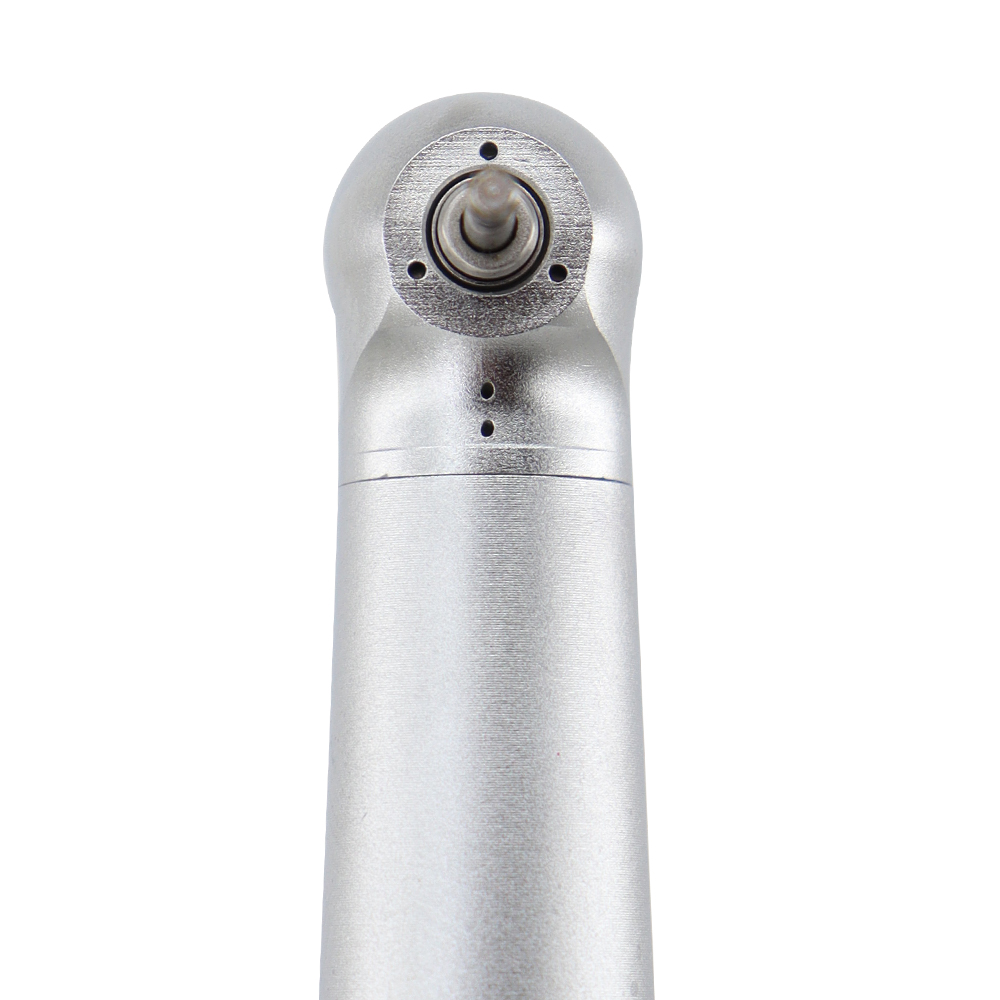
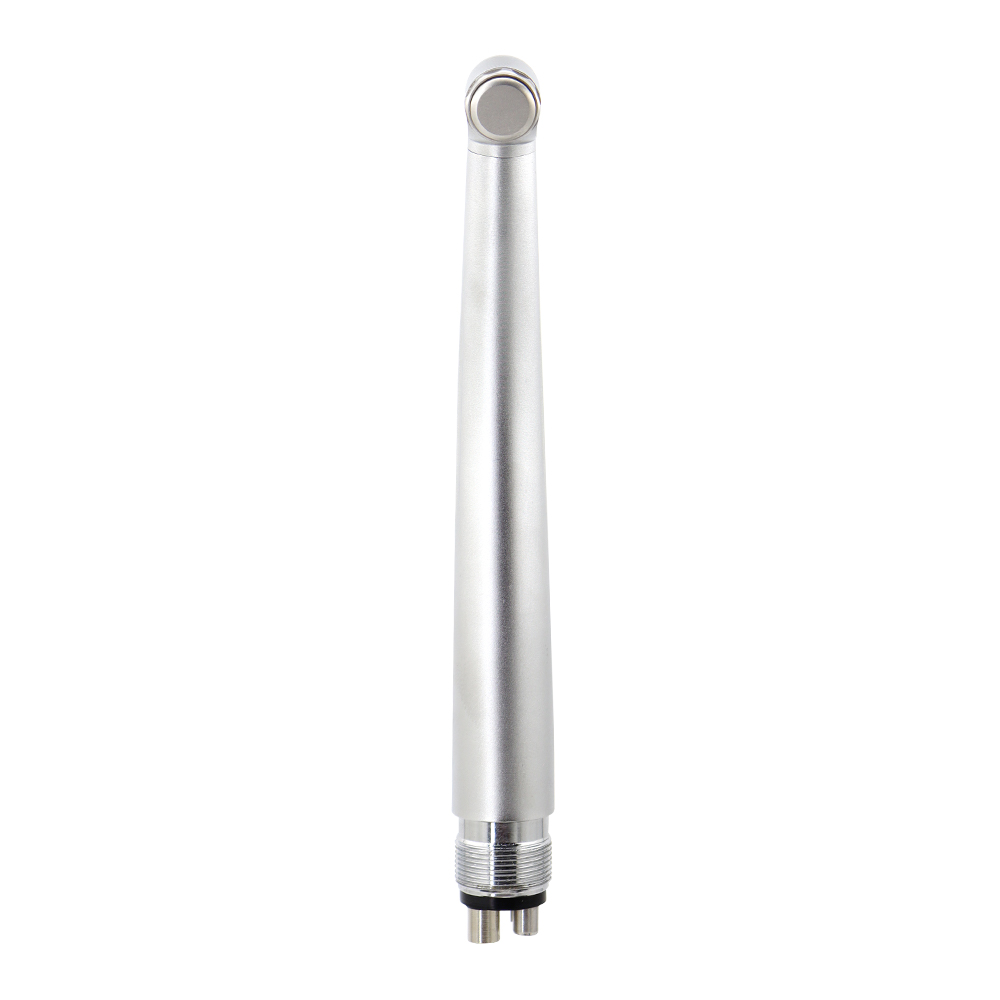
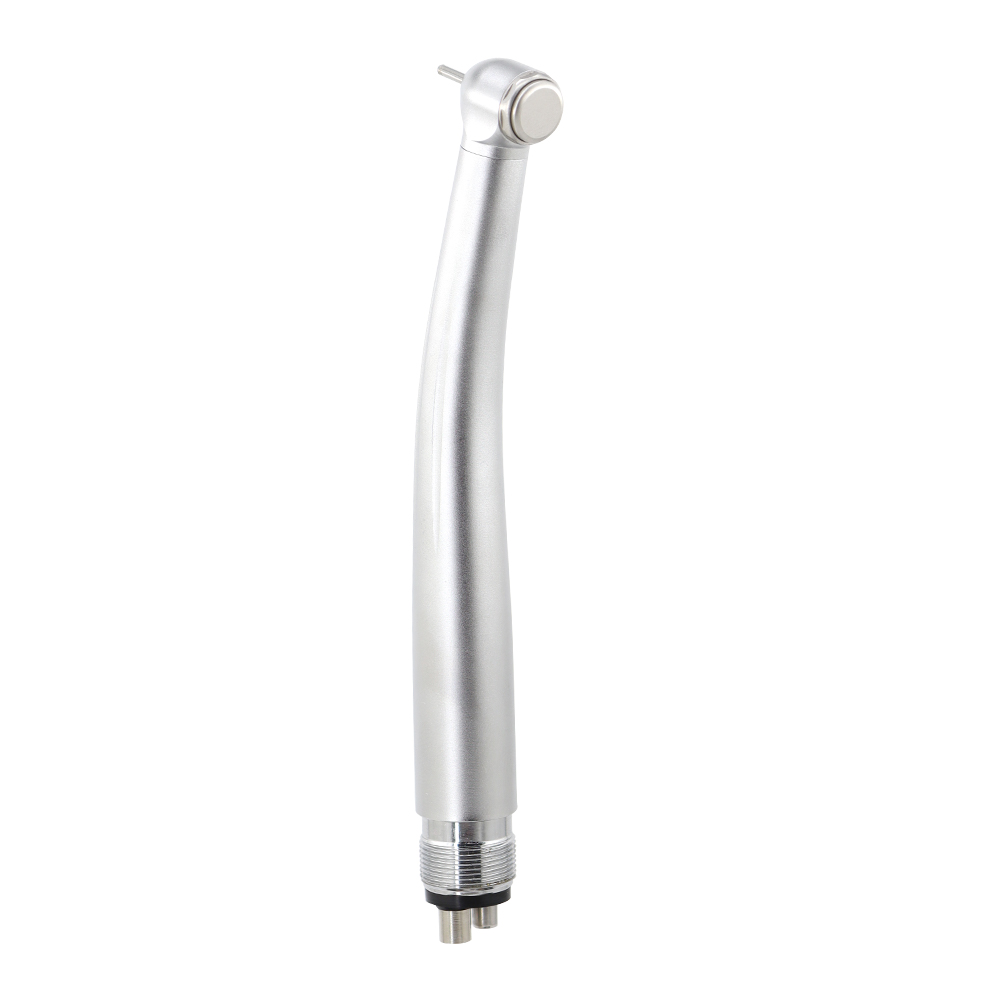
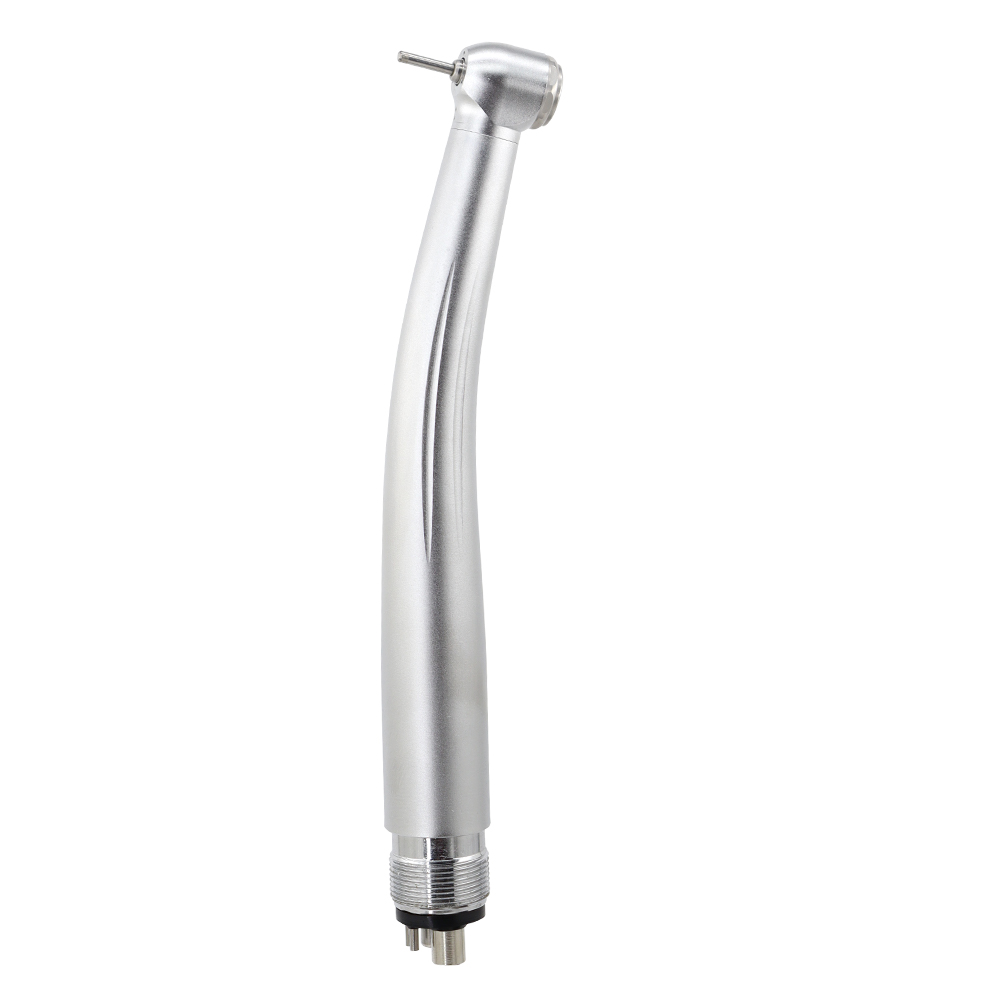
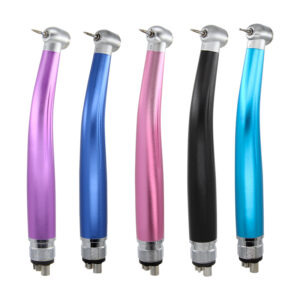
MAX1 High-Speed Handpiece
描述
MAX1 High-Speed Handpiece
- Double arc-line grip pattern for secure ergonomic control
- Integrated one-piece head construction for maximum structural stability and rigidity
- Full metal body construction for durability and long-term reliability
- 3-point anti-suckback system for effective infection control
- Single-jet water cooling with precision-directed spray
- Push-button bur release for fast, one-handed bur changes
- Available in 2-hole and 4-hole connection interfaces
- Compatible with autoclave sterilization at 135°C
Description
The MAX1 High-Speed Handpiece is the foundation model of the MAX series, combining the infection control protection of a 3-point anti-suckback system with an integrated one-piece head construction that delivers maximum structural rigidity and mechanical stability across the full service life of the instrument.
Unlike handpieces with separable or replaceable head assemblies, the MAX1 features an integrated head design in which the head and body are manufactured as a single continuous unit. This eliminates the mechanical interface between head and body that exists in modular designs — removing a potential source of loosening, misalignment, and seal degradation over repeated sterilization cycles. The result is a handpiece that maintains consistent turbine alignment, bur concentricity, and vibration control from first use through to end of service life. The 3-point anti-suckback system provides active protection against retrograde oral fluid aspiration at every turbine deceleration event. The single-jet water spray delivers targeted cooling at the bur-tooth contact zone. Constructed with a full metal body and double arc-line grip pattern, the MAX1 operates at 320,000–350,000 RPM at 0.22–0.25 MPa, delivering reliable, consistent cutting performance for everyday clinical use.
Feature
- The integrated one-piece head construction eliminates the mechanical head-body interface present in modular and quick-disconnect handpiece designs, removing the primary source of structural loosening, seal degradation, and head misalignment that can develop over repeated high-temperature sterilization cycles — maintaining consistent turbine alignment and bur concentricity throughout the handpiece’s service life.
- The 3-point anti-suckback system deploys three check valves that close instantly when forward air pressure ceases, preventing the negative pressure that would otherwise draw oral fluids, saliva, blood, and microbial contaminants back through the bur chuck into the handpiece water and air channels at every turbine stop.
- Single-jet water spray delivers focused, targeted cooling at the bur-tooth interface, providing effective heat dissipation at the cutting zone with controlled water volume suited to routine restorative procedures.
- The full metal body provides exceptional structural rigidity and resistance to deformation, complementing the integrated head’s one-piece construction to deliver a mechanically consistent handpiece from end to end.
- The double arc-line surface pattern delivers a secure, non-slip grip under all clinical conditions, providing reliable tactile control throughout routine and extended procedures.
- Compatible with both 2-hole and 4-hole connection standards for broad compatibility with mainstream dental unit interfaces.
MAX1 High-Speed Handpiece — Specifications
| Parameter | Specification |
|---|---|
| Model | MAX1 |
| Head Construction | Integrated One-Piece |
| Body Pattern | Double Arc-Line |
| Connection | 2-Hole / 4-Hole |
| Body Material | Metal |
| Cooling System | Single-Jet Water Spray |
| Anti-Suckback | 3-Point Anti-Suckback System |
| Bur Chuck | Push-Button Release |
| Working Air Pressure | 0.22 – 0.25 MPa |
| Speed | 320,000 – 350,000 RPM |
| Bur Shank Diameter | Φ 1.595 – 1.600 mm |
| Sterilization | 135°C High-Temperature Autoclave |
Working Principle
The MAX1 High-Speed Handpiece operates on a pneumatic turbine principle. Compressed air enters through the connection interface at 0.22–0.25 MPa, driving the internal turbine rotor to achieve rotational speeds of 320,000–350,000 RPM, generating the cutting force required for efficient tooth preparation across enamel, dentin, and restorative materials.
The integrated one-piece head houses the turbine assembly in a mechanically continuous structure with the handpiece body. Because the head and body share the same material continuity without a threaded or mechanical joint between them, the turbine’s rotational axis is fixed relative to the body with a precision that modular or quick-disconnect designs must achieve through coupling tolerances. This translates directly into more consistent bur concentricity, lower vibration transmission to the clinician’s hand, and more stable cutting performance over repeated sterilization cycles.
The 3-point anti-suckback system closes three check valves simultaneously at the moment forward air pressure ceases, preventing retrograde fluid movement from the oral cavity into the handpiece channels. The single-jet cooling spray delivers a focused stream of water to the bur-tooth contact zone, managing thermal buildup throughout the cutting cycle.
Clinical Practice of the MAX1 High-Speed Handpiece
1. Pre-Operative Setup
- Inspect the handpiece body and integrated head for any visible damage or corrosion before use.
- Connect via the 2-hole or 4-hole interface and confirm air pressure is within 0.22–0.25 MPa.
- Install the appropriate bur using the push-button release and confirm secure chuck engagement before activation.
- Run the handpiece unloaded for 5–10 seconds to verify smooth turbine rotation, single-jet cooling spray output, and anti-suckback valve readiness before intraoral use.
2. Intraoperative Management
- The integrated head’s structural advantage is most apparent during extended procedures: because there is no mechanical joint between head and body to generate micro-movement under load, the MAX1 maintains consistent bur concentricity and vibration characteristics throughout long cutting sequences — reducing clinician fatigue and improving preparation surface quality compared to instruments whose head-body connections may develop micro-play over time.
- Maintain light, intermittent contact between bur and tooth surface; avoid sustained pressure that can stall the turbine or create abnormal pressure differentials that stress the anti-suckback valve seating.
- Confirm the single-jet cooling spray remains aimed at the cutting site throughout the procedure.
- The anti-suckback system provides active protection at every turbine deceleration event — confirm complete turbine stop before bur changes and follow post-patient line flushing protocols.
3. Post-Operative Maintenance
- Remove the bur immediately after the procedure using the push-button release.
- Run the handpiece for 20–30 seconds after each patient use to flush water and air lines per infection control protocol.
- Lubricate the handpiece internally per the manufacturer’s protocol before every sterilization cycle. In an integrated head design, adequate lubrication of the turbine bearing assembly is especially important as the head cannot be disassembled for component-level service — lubrication is the primary maintenance intervention available.
- Sterilize in a Class B autoclave at 135°C.
- Store in a clean, dry environment after sterilization.
The Function of the MAX1 High-Speed Handpiece
The MAX1 High-Speed Handpiece is the structurally simplest and mechanically most stable configuration in the MAX series. Its defining design choice — the integrated one-piece head — prioritizes long-term mechanical consistency over the serviceability advantage of modular or quick-disconnect designs. For clinical environments where instrument reliability and predictable performance across a high sterilization cycle count are the primary purchasing criteria, the MAX1’s integrated construction is a deliberate and practical advantage.
Modular handpieces — including those with replaceable cartridges or quick-disconnect couplings — introduce mechanical interfaces that must maintain precise tolerances across hundreds of thermal expansion and contraction cycles during sterilization. Over time, these interfaces can develop micro-movement that manifests as increased vibration, reduced bur concentricity, and, in some cases, seal degradation. The MAX1 eliminates these interfaces entirely: from bur tip to connection interface, the instrument is a continuous mechanical unit with no threaded or press-fit joints between functional components that could loosen with use.
The 3-point anti-suckback system ensures that this structural simplicity does not come at the cost of infection control. Together, the one-piece head and anti-suckback system represent a philosophy of reliability-first design: fewer mechanical interfaces, fewer potential failure points, and active protection against cross-contamination — all in a straightforward instrument that performs consistently from the first procedure of the day to the last.
Important Notes for Using the MAX1 High-Speed Handpiece
- Always confirm air supply pressure is within 0.22–0.25 MPa before operation. The 3-point anti-suckback check valves are calibrated for this pressure range; operation significantly outside it affects both cutting performance and valve response.
- Use only burs with a shank diameter of Φ1.595–1.600 mm. Out-of-tolerance burs compromise bur-chuck seal integrity — a critical concern in an integrated head where the chuck cannot be accessed or replaced independently of the head assembly.
- In an integrated head design, the turbine bearing assembly cannot be replaced without retiring the entire handpiece. Monitor bearing condition carefully: early indicators of bearing wear include increased operating noise, vibration, or reduced cutting efficiency. Address these signs promptly rather than continuing clinical use.
- Do not activate the handpiece without a bur properly installed. An open chuck in an integrated head compromises the sealed environment that the anti-suckback system depends on at the bur entry point.
- Operate the push-button bur release only after the turbine has fully stopped. Bur changes during spin-down risk chuck damage and create pressure differentials that can stress the anti-suckback valve seating.
- Lubricate before every sterilization cycle without exception. Because the integrated head’s turbine cannot be accessed for component-level service, lubrication is the most important maintenance action available for extending bearing service life.
- Sterilize at 135°C autoclave only. Chemical sterilization agents are incompatible with the metal body and internal seals and will degrade the anti-suckback valve components over time.
- Inspect the integrated head and body after each sterilization cycle for surface corrosion, pitting, or visible damage. Retire the handpiece from clinical use if any structural compromise is detected — in a one-piece design, head damage cannot be addressed through component replacement.
评价
目前还没有评价